
In today’s digitally-driven world, owning a reliable and powerful server is crucial for businesses of all sizes. This equipment serves as the backbone of any organization’s network, fostering seamless connectivity, efficient data management, and enhanced security. Whether you are managing a small start-up or an extensive enterprise, investing in high-quality servers ensures your operations run smoothly and effectively. By accommodating your expanding data needs, servers can increase your productivity, offer scalable solutions, and ultimately aid in the strategic growth of your business.
One of the main uses of servers is hosting websites that are accessible to users worldwide. From e-commerce platforms to informational websites, a server must provide consistent uptime and fast loading times to guarantee excellent user experiences. Beyond hosting, servers store extensive volumes of data, assist with complex computations, and provide a platform for critical business applications. A robust server infrastructure can be the difference between cyber vulnerability and a fortified, resilient network that safeguards sensitive information and transactions.
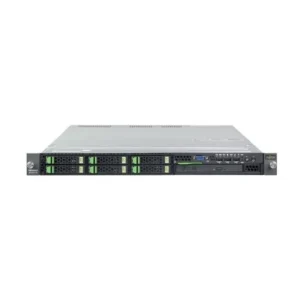
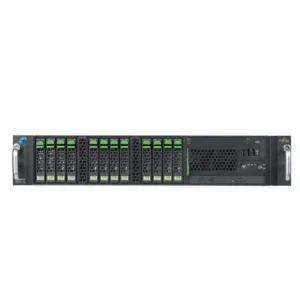
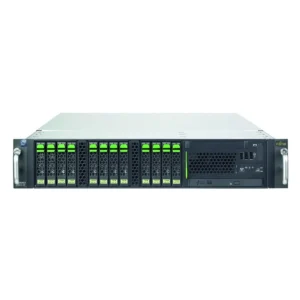
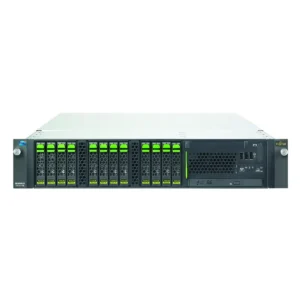
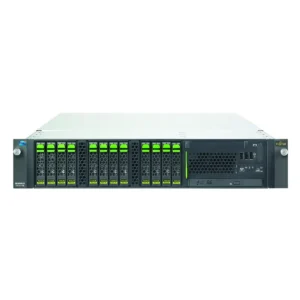
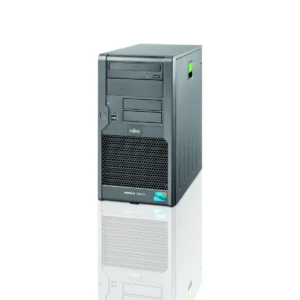
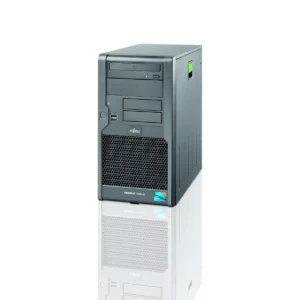
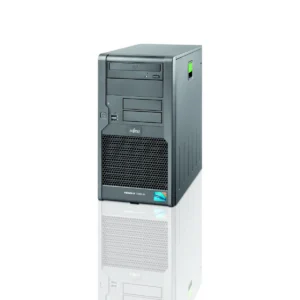
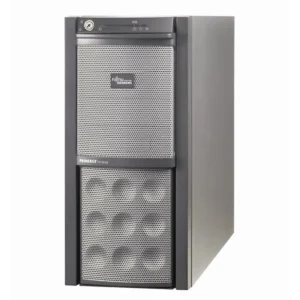
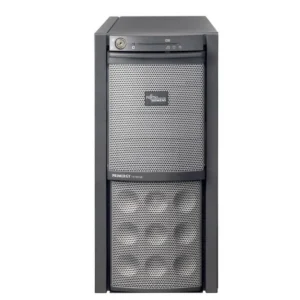
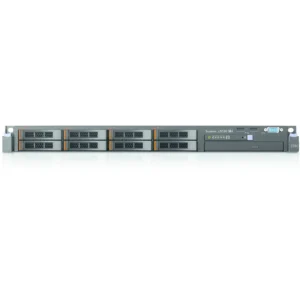
There are different types of servers tailored to meet specific requirements. Rack servers are popular for their compact design, allowing multiple units to be stacked in a rack for optimized space utilization. These servers are ideal for businesses requiring high computational power without extensive physical space. On the other hand, tower servers are standalone units resembling desktop computers, providing powerful processing capabilities for businesses with more space to allocate. Additionally, blade servers provide a modular solution, housing multiple server blades within a chassis, which can reduce power consumption while boosting processing density, making them suitable for data centers seeking energy-efficient options.
When selecting a server, it is crucial to consider factors such as processing power, storage capacity, and scalability. Enterprise-level servers often include multi-core processors and high-capacity drives to handle demanding workloads and extensive databases, ensuring tasks are performed efficiently and securely. Smaller organizations might favor more cost-effective options, balancing power and budget to meet their specific needs without compromising on essential features. The flexibility to expand and upgrade a server is invaluable, allowing your systems to grow alongside your business and adapt to evolving technological demands.
The benefits of incorporating reliable servers into your IT infrastructure are numerous. They provide centralized management of resources which streamlines operations, reduces redundancy, and ensures that your staff can access the tools and data they need without interruption. Additionally, modern servers often include built-in disaster recovery and backup solutions, offering peace of mind that your critical business information remains protected even in the event of unforeseen failures. By prioritizing server performance and reliability, businesses can maintain competitive edges and ensure continuity in an ever-connected marketplace.