
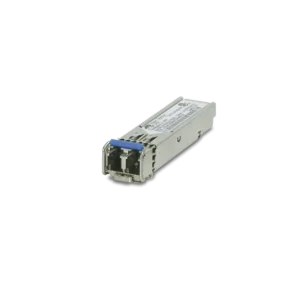
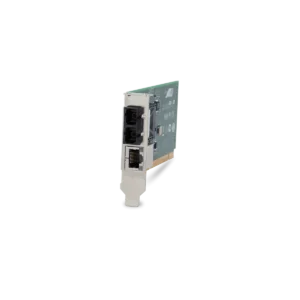
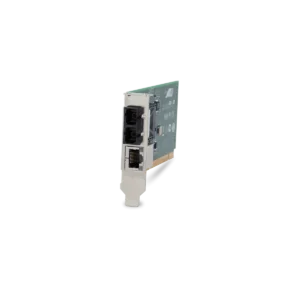
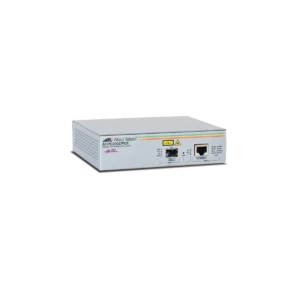
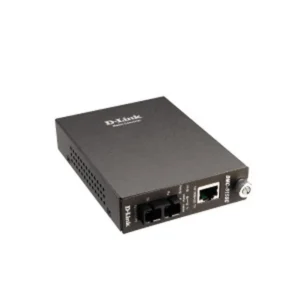
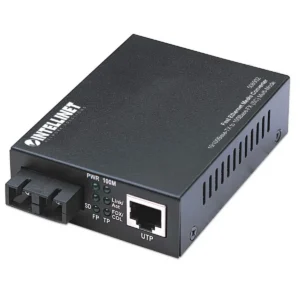
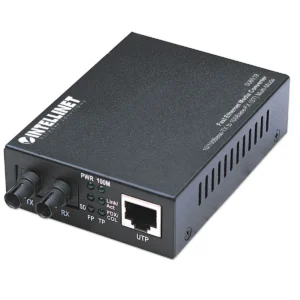
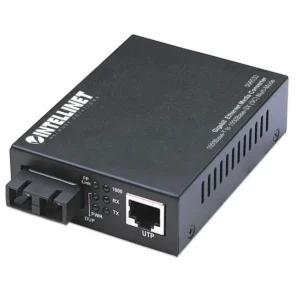
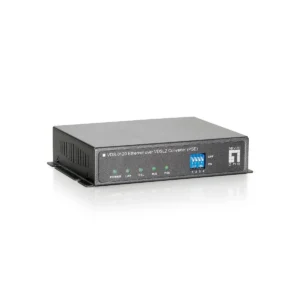
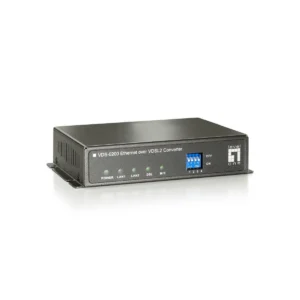
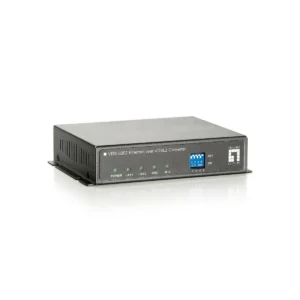
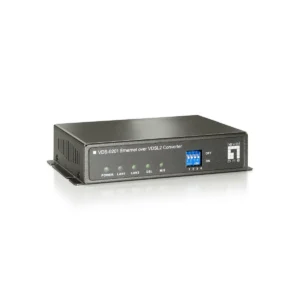
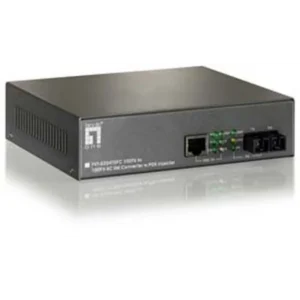
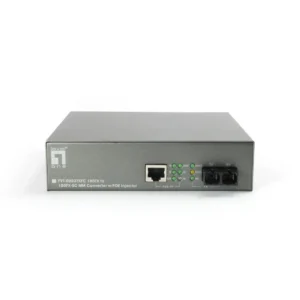
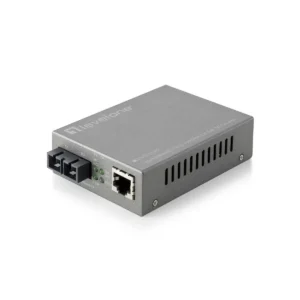
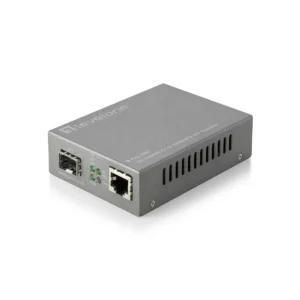
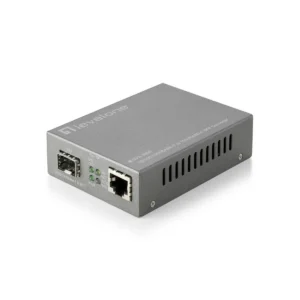
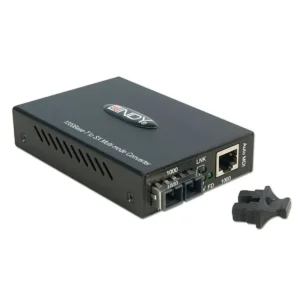
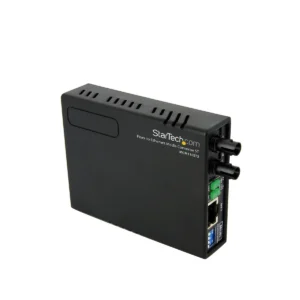
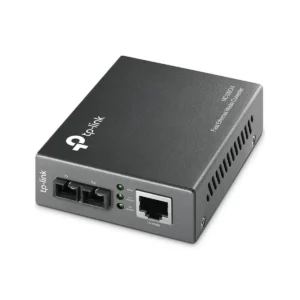
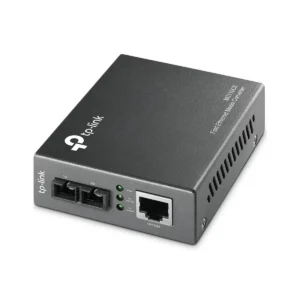
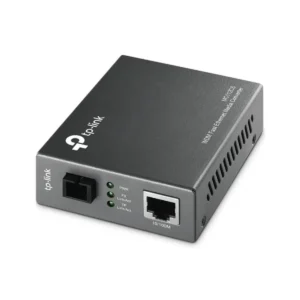
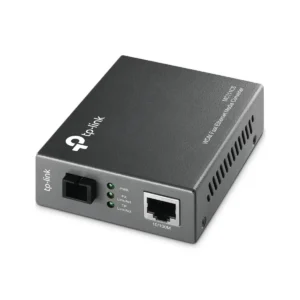
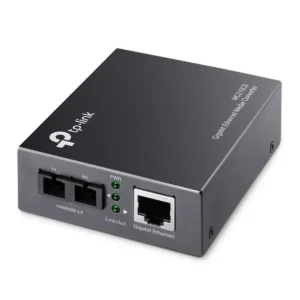
In today’s increasingly connected world, Network Media Converters play a crucial role in enhancing the flexibility and range of network infrastructures. These devices are pivotal in converting non-compatible media types such as twisted-pair copper cabling to fiber optics, thereby extending network spans beyond the conventional limits. With the ever-growing demand for high-speed data transfer and the need to interconnect various network standards, media converters offer a seamless bridging solution that caters to these complexities, ensuring smooth and efficient communication between different networking environments.
Media converters come in various types and functionalities tailored to specific networking needs. For instance, Ethernet media converters are among the most commonly used, designed to connect different Ethernet protocols and types, such as from Fast Ethernet or Gigabit Ethernet networks to fiber optics. These converters allow businesses to utilize existing network infrastructures while upgrading segments to higher-speed, more reliable fiber optics, thus enhancing overall network performance without a complete system overhaul. They provide an economical solution to modernize networks and expand their reach effortlessly.
The benefits of integrating network media converters extend beyond mere compatibility solutions. They significantly contribute to improved network distances, often extending connectivity up to tens of kilometers with certain fiber optic solutions. Furthermore, media converters bring enhanced security and reduced electromagnetic interference to data transfers, ensuring that sensitive information remains uncompromised. By facilitating the transition from electrical to optical networks, media converters also enable companies to capitalize on the high bandwidth capacities of fiber optic technology, supporting more robust and data-intensive applications without connectivity issues.
For businesses looking to future-proof their networks, modular media converters offer a versatile and scalable option. These converters consist of interchangeable modules that can be adapted to various network configurations, accommodating changes in technology and business growth seamlessly. This adaptability not only saves costs in the long term but also ensures that networks remain up-to-date with the latest advancements in communication technology, such as the transition to 10 Gigabit Ethernet and beyond. The modular design thus provides unparalleled flexibility, catering to both current needs and future expansions.
The installation and operation of network media converters are designed to be straightforward, making them accessible even to those with minimal technical expertise. Most converters incorporate plug-and-play capabilities, simplifying the deployment process without the necessity for specialized tools or extensive configuration. T