
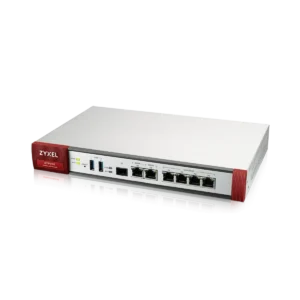
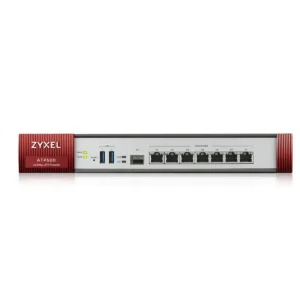
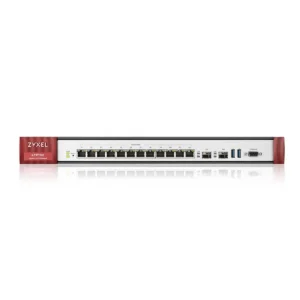
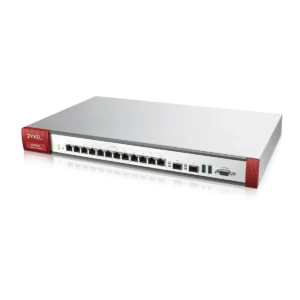
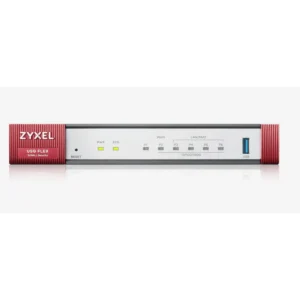
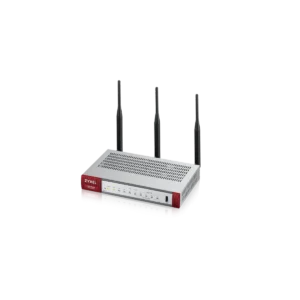
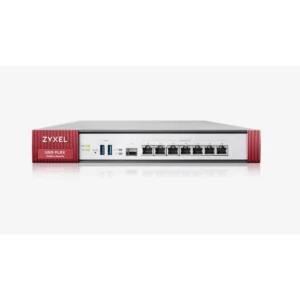
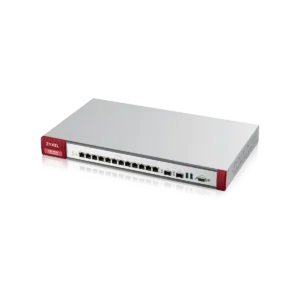
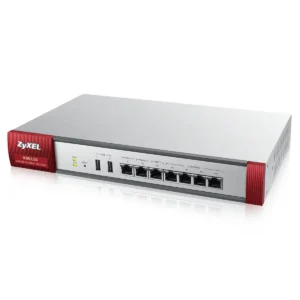
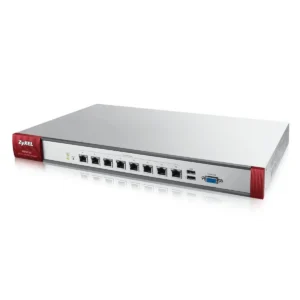
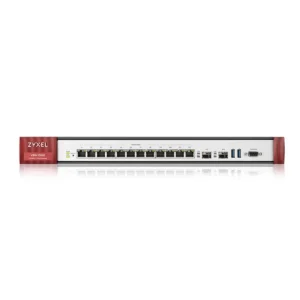
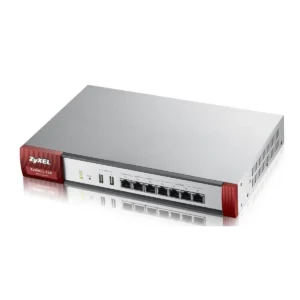
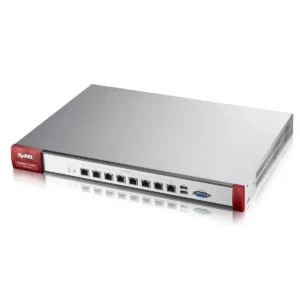
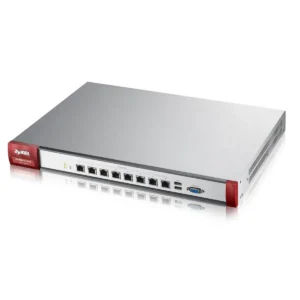
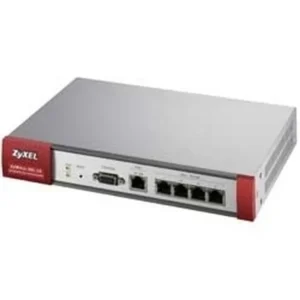
In an increasingly connected world, maintaining network security is paramount, and hardware firewalls serve as the first line of defense in safeguarding digital assets. Unlike their software counterparts, hardware firewalls operate independently of any computer system’s resources, providing robust and reliable protection without affecting system performance. These devices are purpose-built to manage and monitor network traffic, ensuring that unauthorized access is firmly shut out while legitimate data flows freely between networks.
One of the primary uses of hardware firewalls is to create a secure barrier between a trusted internal network and untrusted external networks, such as the Internet. This safeguard is essential for businesses, as it helps prevent cyber threats like malware, phishing, and data breaches from penetrating corporate systems. By filtering incoming and outgoing traffic based on predefined security rules, hardware firewalls offer a critical layer of protection that can be customized to meet the specific needs of an organization.
With advanced features such as stateful inspection, deep packet inspection, and network address translation (NAT), hardware firewalls provide comprehensive security solutions that are often superior to software firewalls. Stateful inspection allows the firewall to track the state of active connections and determine which network packets to allow through the firewall dynamically. This capability ensures that only legitimate communication is permitted while malicious traffic is blocked. Deep packet inspection goes even further, examining the data portion of network packets to identify and mitigate threats that would otherwise go unnoticed.
There are various types of hardware firewalls tailored to different environments and requirements. For small to medium-sized businesses, unified threat management (UTM) firewalls offer an all-in-one solution that combines multiple security features including antivirus, content filtering, and intrusion prevention. For larger enterprises, next-generation firewalls (NGFWs) provide more advanced capabilities, such as application awareness and control, ensuring higher levels of security across complex networks.