
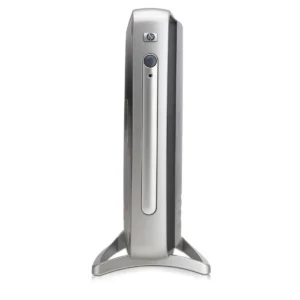
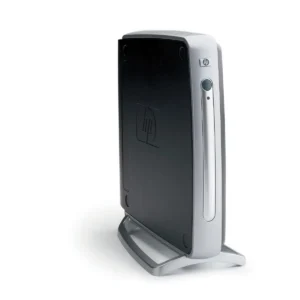
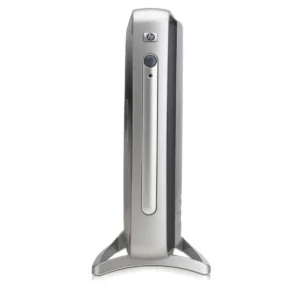
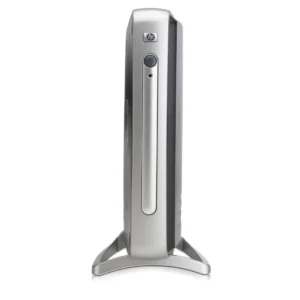
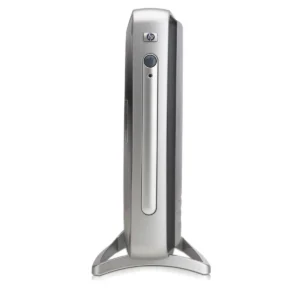
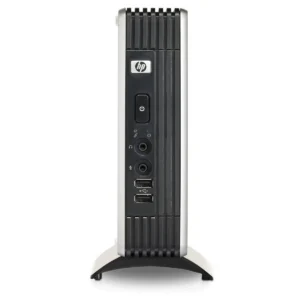
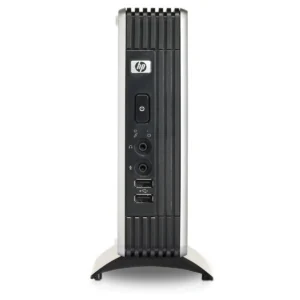
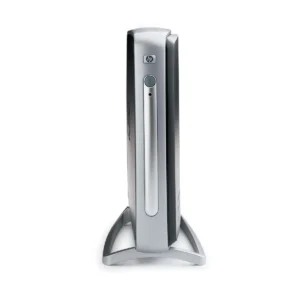
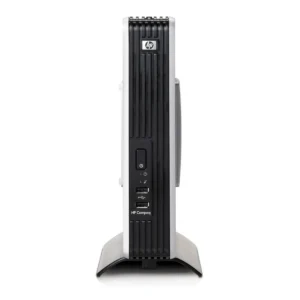


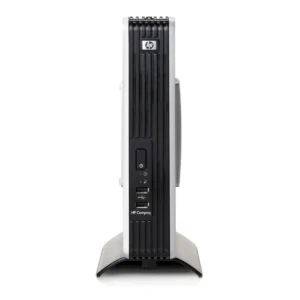
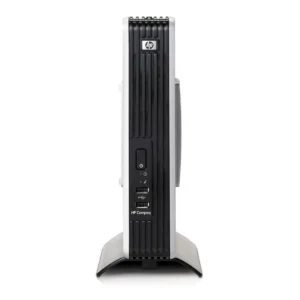

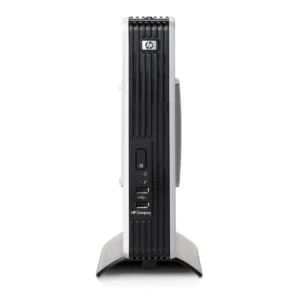
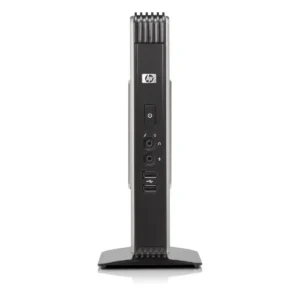
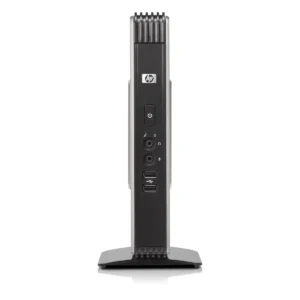
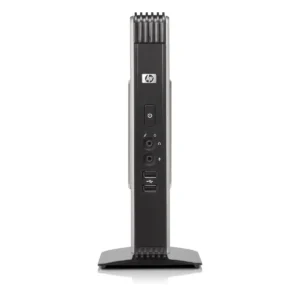
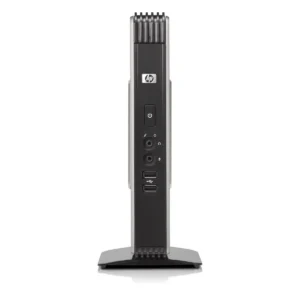
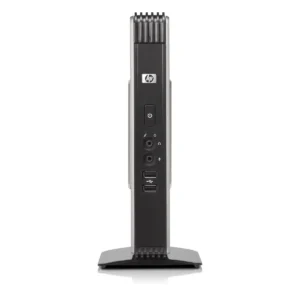
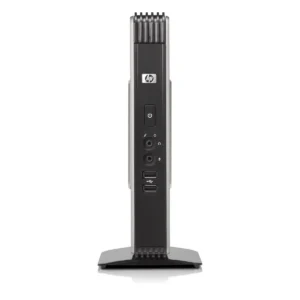
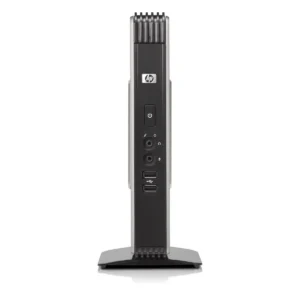
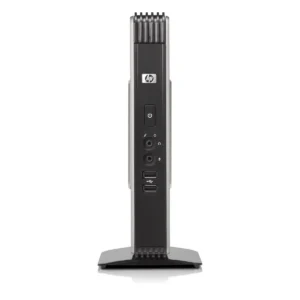
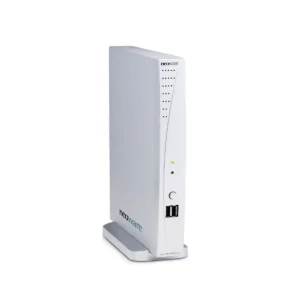
Discover the world of thin clients, a versatile and efficient solution for today’s computing needs. As the modern workspace evolves, these streamlined devices have become a pivotal part of IT infrastructure. Thin clients are lightweight computers that connect to a server where all the processing power and storage reside. This centralized computing system offers numerous advantages, especially for businesses looking to optimize resources and minimize costs. With thin clients, users enjoy fast access to applications and data without the need for powerful hardware at each workstation.
The primary benefit of adopting thin client technology is the significant reduction in IT management and maintenance expenses. Since most of the processing happens on the server, updates and security patches can be deployed centrally, ensuring all devices stay up-to-date with minimal effort. Moreover, thin clients are known for their durability and reliability, as they rely less on hardware components susceptible to wear and tear. This makes them an excellent choice for environments where multiple users share a common computing platform.
Another compelling advantage of thin clients is their energy efficiency. Compared to traditional desktop computers, thin clients consume considerably less power, contributing to a lower carbon footprint and reducing energy costs. Businesses that prioritize green initiatives and seek sustainable IT solutions find thin clients an ideal choice. Their smaller size not only conserves physical workspace but also results in quieter operation, promoting a more pleasant working environment.
Thin clients cater to a wide range of industries and applications. From education and healthcare to finance and call centers, the need for dynamic and scalable computing solutions is evident. These devices support various operating systems and remote desktop protocols, enabling seamless integration with existing network infrastructures. Furthermore, thin clients can be optimized for specific applications, offering enhanced performance for tasks such as graphic design or data entry, proving that versatility is a hallmark of this technology.
In summary, thin clients represent the future of efficient and secure computing. As organizations continue to embrace mobile and remote workforces, the dependence on robust and adaptable thin client systems is expected to grow. T