
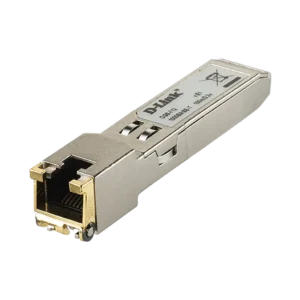
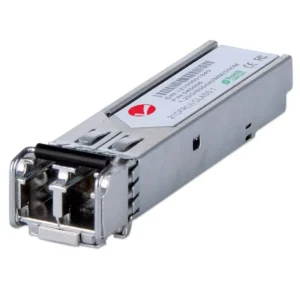
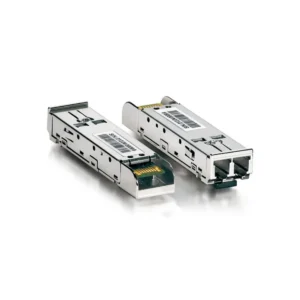
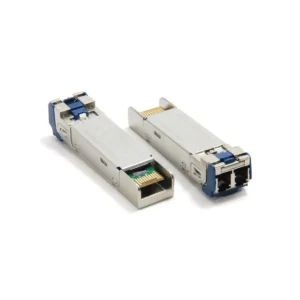
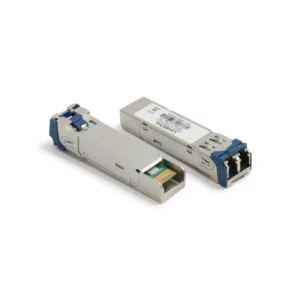
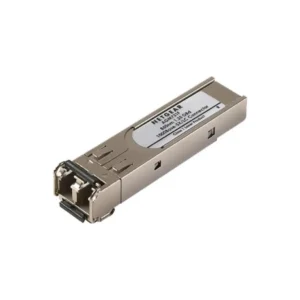
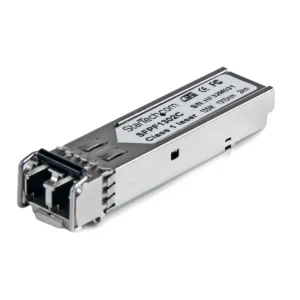
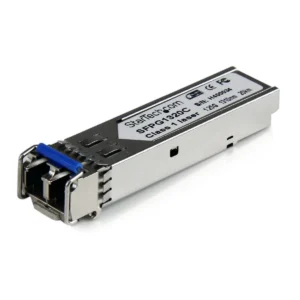
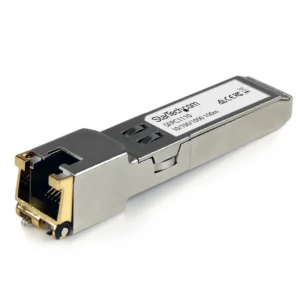
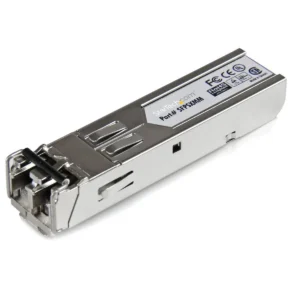
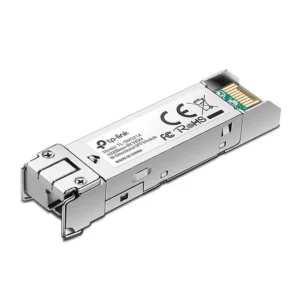
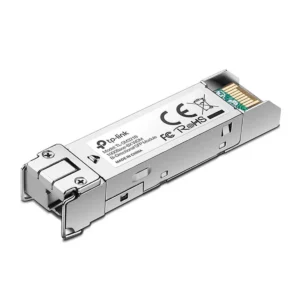
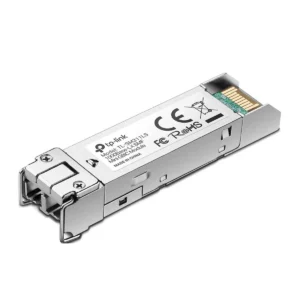
In the realm of modern networking, Network Transceiver Modules serve as the backbone enabling seamless data communication across various devices. These compact yet powerful components are essential in converting digital signals into optical signals and vice versa, providing the crucial bridge between equipment in a network. Whether you’re setting up a local area network (LAN) or expanding the capabilities of your existing infrastructure, these modules are indispensable for ensuring effective and efficient data transfer. Employed widely in data centers, enterprise networks, and service provider environments, their significance cannot be overstated in achieving high-speed connectivity.
One of the primary benefits of using Network Transceiver Modules is their ability to enhance network flexibility and scalability. By allowing network engineers to mix and match different media types and transmission standards, these modules help tailor network infrastructure to specific needs. This flexibility becomes particularly valuable when upgrading network systems, as transceivers can be easily swapped or upgraded without the need for costly hardware replacement. As network demands grow and evolve, these modules scale effortlessly to support increased bandwidth and expanded geographical coverage, ensuring that your infrastructure remains future-proof.
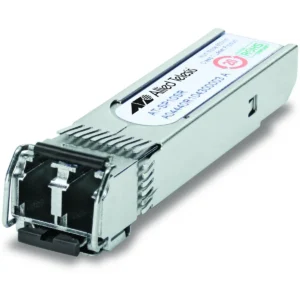
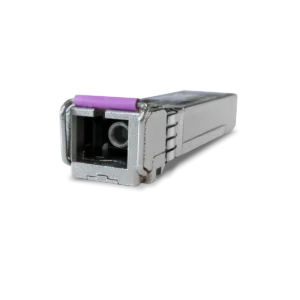
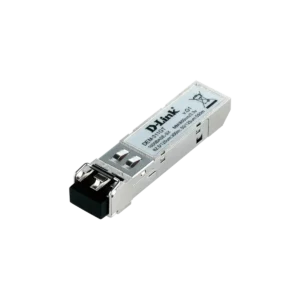
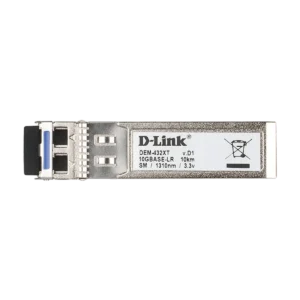
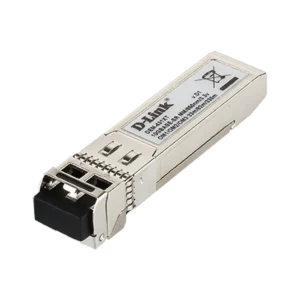
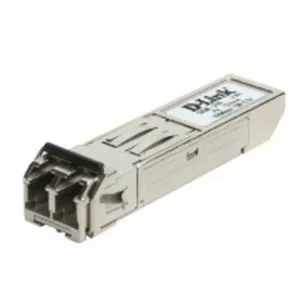
There are various types of Network Transceiver Modules, each designed to meet different network requirements. Among the most popular are the SFP (Small Form-factor Pluggable), SFP+ (Enhanced Small Form-factor Pluggable), and QSFP (Quad Small Form-factor Pluggable) modules. SFP modules are widely used in telecommunications and data communications applications, supporting speeds up to 1 Gbps. On the other hand, SFP+ modules offer enhanced performance, supporting data rates up to 10 Gbps, making them ideal for high-speed data transmission in larger networks. QSFP modules take it up a notch with capabilities of up to 40 Gbps, catering to high-performance computing and extensive data center applications.