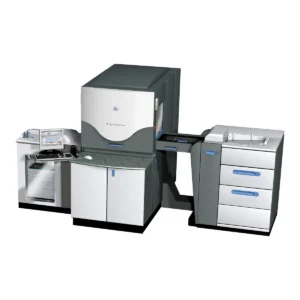
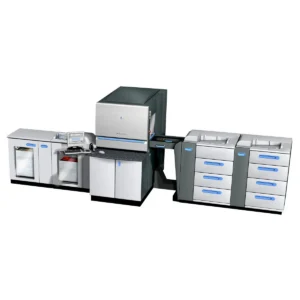
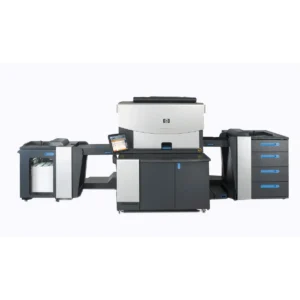
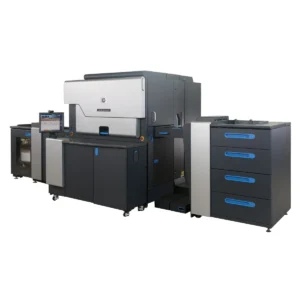
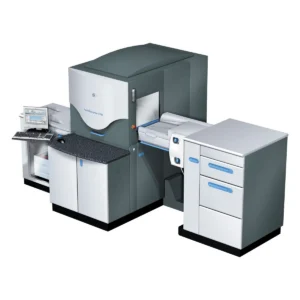
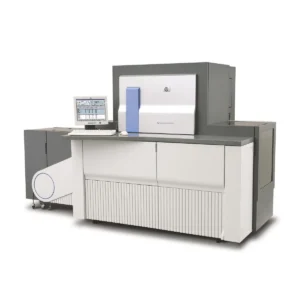
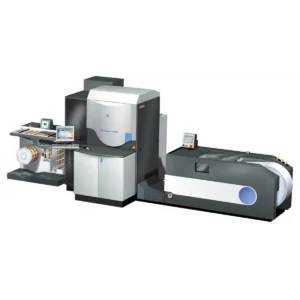
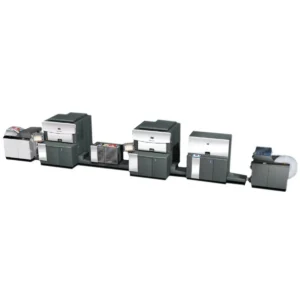
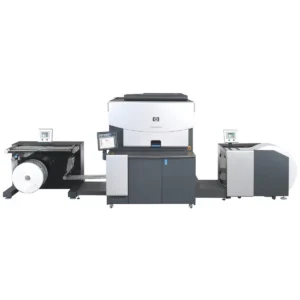
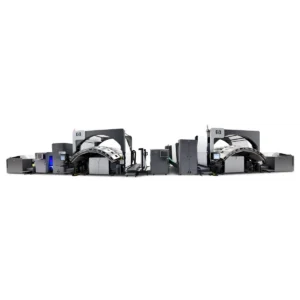
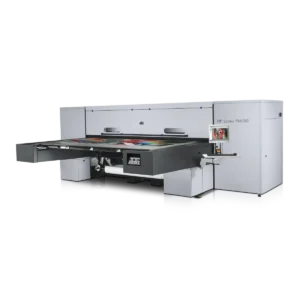
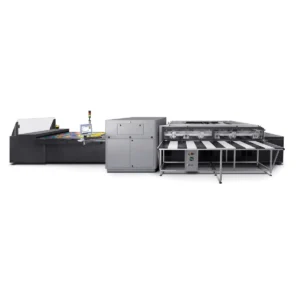
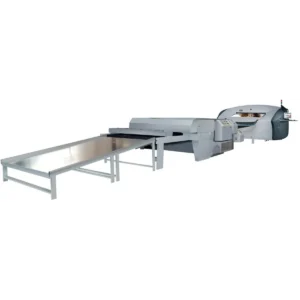
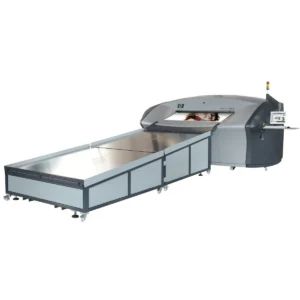
Discover the essential world of industrial printing presses, a category that fuels the backbone of mass production in sectors ranging from publishing to packaging. These sophisticated machines offer unmatched efficiency and precision for high-volume printing needs. Whether you’re printing on paper, plastic, metal, or textiles, industrial printing presses are designed to produce consistent and high-quality results. Their advanced technology ensures that businesses can meet demanding production schedules while maintaining stringent quality standards.
The versatility of industrial printing presses allows them to handle a variety of tasks, making them indispensable in different industries. Common applications include commercial publishing, where large-scale production of books, magazines, and newspapers is necessary. In the packaging industry, these presses handle complex printing on materials such as cardboard and corrugated boxes, critical for brand visibility and product information. Additionally, they play a pivotal role in the textile industry, offering solutions for fabric printing that require vibrant colors and enduring print quality.
Several types of industrial printing presses cater to diverse printing needs. One of the most popular is the offset printing press, renowned for its ability to produce sharp and vibrant prints through a series of rollers. Other options include flexographic presses that are suited for printing on non-porous materials like plastic and laminate, and digital presses that offer flexibility in print runs and customization. The gravure printing press, known for its high-speed production and capability to handle long print runs, is a preferred choice for large-scale packaging and publication projects.
Investing in an industrial printing press comes with numerous benefits, particularly for businesses looking to scale operations. These machines are known for their durability and long service life, minimizing downtime and maintenance costs. Furthermore, the automation features in modern presses reduce labor costs and streamline the workflow, allowing companies to produce more in less time. Enhancements in press technology have also improved the eco-friendliness of these machines, making them more energy-efficient and reducing waste through precise ink usage and material management.
Choosing the right industrial printing press is crucial, as it directly impacts a company’s production capabilities and competitiveness. Innovations in this field have introduced digital interfaces and controls, enabling operators to manage complex processes with ease. I