
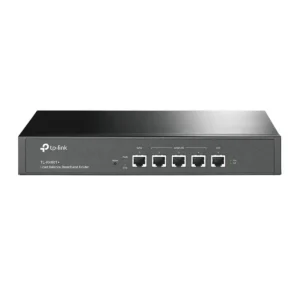
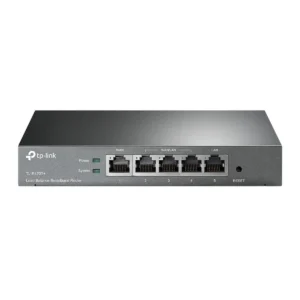

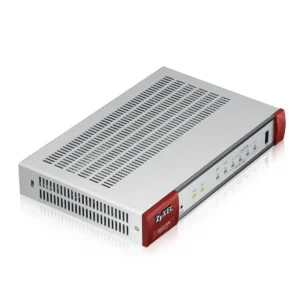
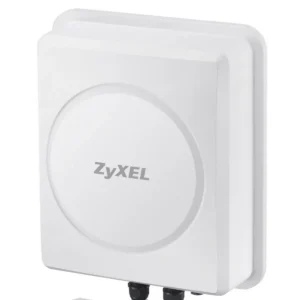
In the dynamic landscape of digital connectivity, wired routers play an indispensable role in ensuring reliable and secure internet access. Unlike their wireless counterparts, wired routers provide a stable connection that is crucial for environments requiring consistent data flow, such as offices, data centers, and homes with heavy internet usage. They offer a physical connection through Ethernet cables, which translates to reduced interference and lower latency, making them ideal for rigorous activities such as online gaming, video conferencing, and large file transfers.
Performance and security are key advantages of wired routers. By providing dedicated bandwidth over physical connections, these routers minimize the risk of network congestion, ensuring that multiple devices can simultaneously access the internet without compromising speed. Additionally, wired connections reduce the vulnerability to external breaches, providing a layer of security that wireless networks might lack. This makes wired routers an excellent choice for critical applications where data integrity and privacy are paramount.
Wired routers come in various models, each designed to meet specific needs and scalability. From basic home routers to complex enterprise-level devices, there’s a wired router available to cater to every network demand. Basic wired routers are perfect for households that require straightforward and consistent internet access. They are easy to set up and offer sufficient performance for daily activities. On the other hand, enterprise-grade routers provide advanced features such as VLAN support, advanced QoS, and enterprise-grade firewalls, which are essential for managing extensive network traffic and ensuring business continuity.
The installation and maintenance of wired routers are straightforward, making them a preferred choice for many users. Setting up involves connecting devices via Ethernet cables, which not only simplifies the process but also assures users of the plug-and-play nature of these devices. Wired routers also tend to require less frequent troubleshooting compared to wireless devices, mainly due to their reduced susceptibility to interference and signal loss.