
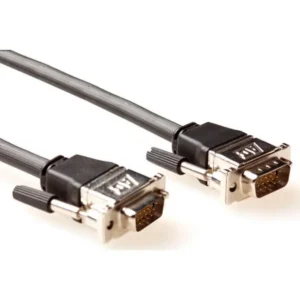
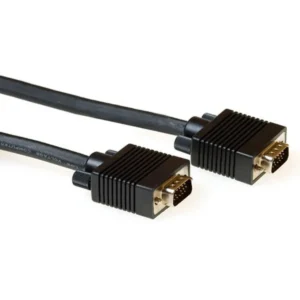
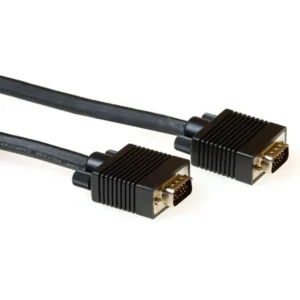
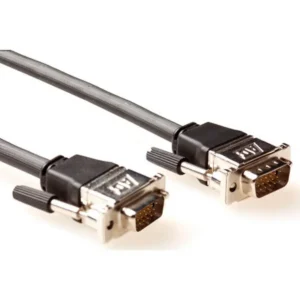
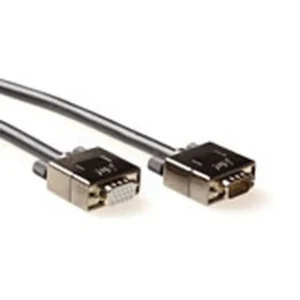
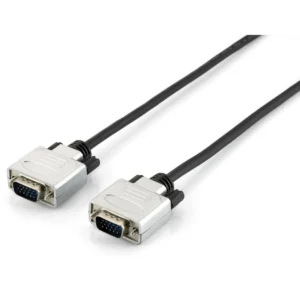
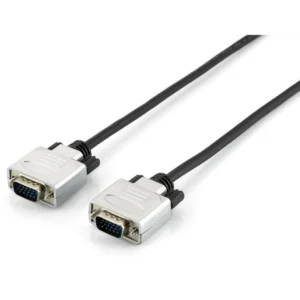
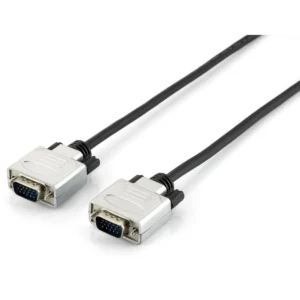
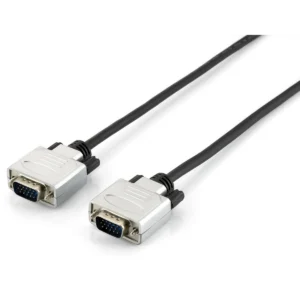
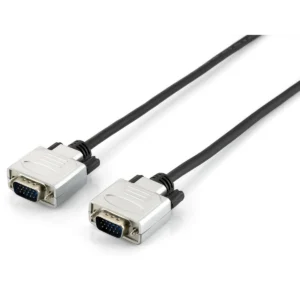
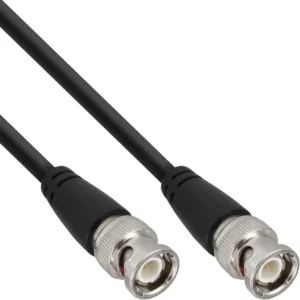
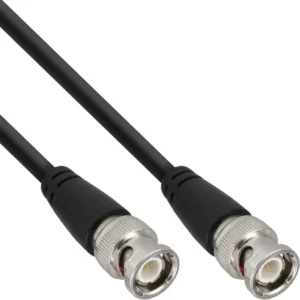
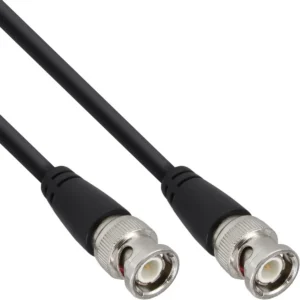
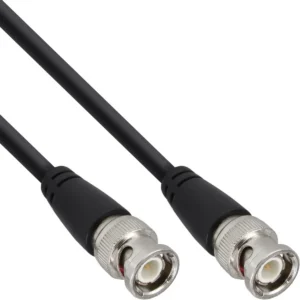
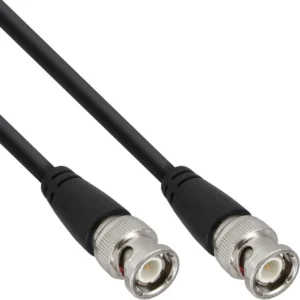
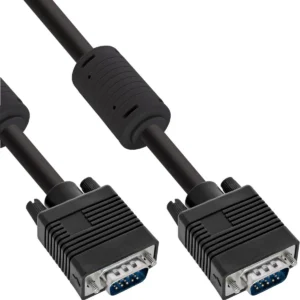
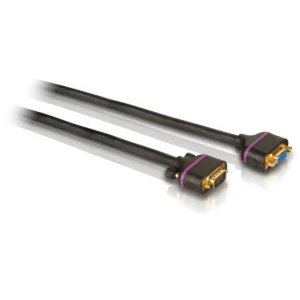
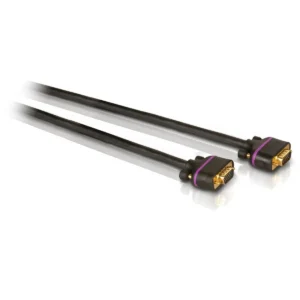
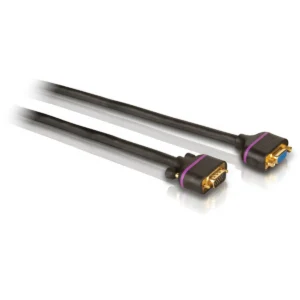
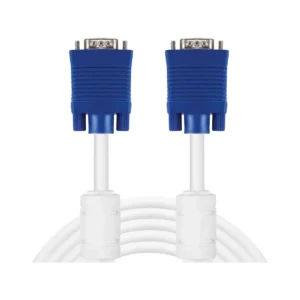
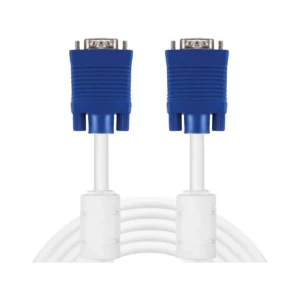
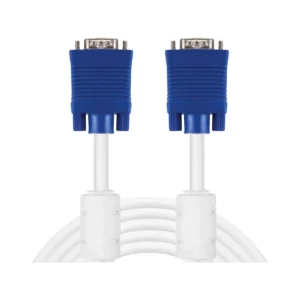
In the world of multimedia connectivity, VGA cables play a pivotal role in linking devices that require analog signals for visual display. These cables are designed to connect a computer or a laptop to a monitor, projector, or even a television that supports VGA inputs, enabling users to view graphics and videos on a larger screen. VGA cables are indispensable in various settings, from corporate presentations to home entertainment systems, providing a reliable connection for crystal-clear analog video transmission.
The primary advantage of using VGA cables lies in their widespread compatibility and their ability to support resolutions up to 1920×1080. Although digital connections such as HDMI and DisplayPort are prevalent, many devices, especially legacy systems, still rely on VGA ports. This makes VGA cables an essential component for users looking to connect older computers or laptops to modern displays without compromising on functionality. Additionally, VGA connectors often feature screws that ensure a secure connection, minimizing the risk of accidental disconnection.
When shopping for VGA cables, it’s important to consider the length and build quality that best suit your needs. Standard cables typically range from 3 feet to 100 feet, allowing for flexibility whether you are connecting devices in a small office or across a large room. Longer cables are available for users needing extra reach without sacrificing the integrity of the video signal. Moreover, high-quality VGA cables often come with features like triple shielding and gold-plated connectors which enhance signal quality and reduce interference, ensuring a crisp and clear image.
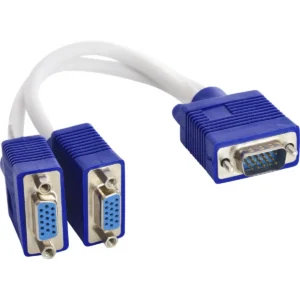
In addition to standard models, there are also specialized VGA cables designed for specific applications. For instance, VGA splitters allow multiple displays to connect to a single output, which is ideal for conferences or exhibitions where information needs to be shared across several screens simultaneously. Some advanced cables come with integrated audio support, combining both video and sound into a single cable, reducing clutter and simplifying the setup process. These comprehensive solutions make VGA cables versatile across different usage scenarios.