
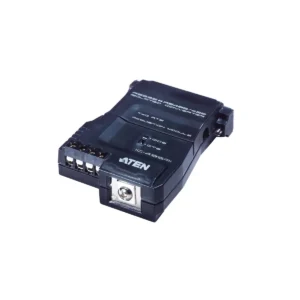
Signal converters play a pivotal role in the seamless operation of modern digital and analog systems, transforming signals from one format to another for better compatibility and functionality. These devices are essential in a multitude of industries, including telecommunications, automation, broadcasting, and information technology. By converting varying signal types such as analog to digital, digital to analog, or frequency variations, signal converters bridge the gap between different components, ensuring smooth data transmission and optimal system performance. As technology continues to advance, the demand for innovative signal converters that meet the specific needs of diverse applications is ever-increasing.
Among the primary uses of signal converters is their ability to enhance communication within complex systems. In industrial settings, where machinery is often a mix of legacy and modern equipment, signal conversion is critical. Converters enable the integration of different protocols, enhancing both data accuracy and system efficiency. Factories or production lines can therefore maintain high levels of productivity and accuracy, minimizing downtime due to communication failures. Additionally, in the broadcasting sector, these devices serve to ensure that audio and video signals are transmitted without loss or distortion, maintaining the integrity of live broadcasts and recordings.
The benefits of using signal converters extend into cost savings and system design flexibility. By adopting the right converters, businesses can avoid costly equipment upgrades, as they can integrate newer technologies with their current setups. This level of backward compatibility not only reduces capital expenditure but also extends the life cycle of existing equipment. Furthermore, signal converters add a layer of flexibility to system design, allowing for more tailored solutions that can be adjusted as operational requirements evolve. This adaptability makes them indispensable tools for long-term planning and strategic growth in virtually any technology-driven industry.
In terms of product types, there is a wide array of signal converters available to cater to specific needs. Analog-to-digital converters (ADCs) transform analog signals, like sound or light, into digital data that can be processed and analyzed by computers. Conversely, digital-to-analog converters (DACs) take digital data and convert it back into an analog signal, crucial for applications like audio playback or when interfacing with legacy devices.