

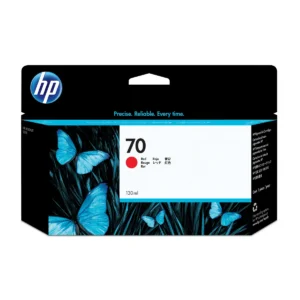
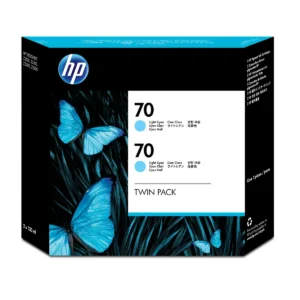
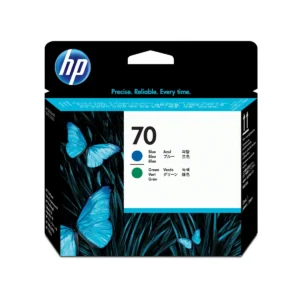
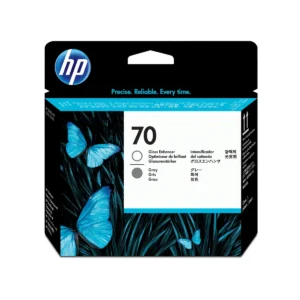
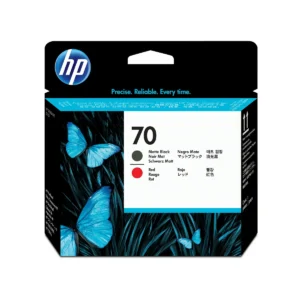
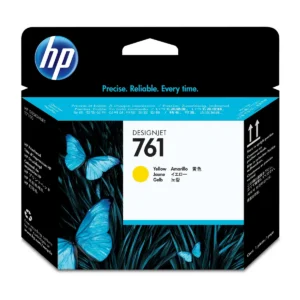
In the world of digital printing, print heads play a pivotal role in ensuring high-quality output, acting as the essential component that directly affects the accuracy and efficiency of the printing process. Whether you are involved in commercial printing or simply a home user needing precise, vibrant prints, understanding how print heads work can significantly impact the results you achieve. These sophisticated devices are responsible for depositing ink onto the paper with incredible precision, facilitating the transition from digital files to tangible prints with remarkable sharpness and detail.
The main advantage of using high-quality print heads is their ability to deliver consistent and reliable performance. Modern print heads are designed to handle various types of media, including glossy photo papers, heavy cardstock, and lightweight office paper, making them incredibly versatile. High-end print heads use advanced technology to manage ink droplet size, placement, and velocity. This technology ensures that your printed materials not only look professional but also retain their color vibrancy and detail over time.
There are several types of print heads available, each catering to specific printing needs and varying in terms of technology and application. Thermal inkjet print heads are commonly used in consumer printers. They work by heating the ink to create a bubble that expands and propels a drop of ink onto the paper. On the other hand, piezoelectric inkjet print heads utilize tiny electrical charges to create pressure pulses that force ink out of the nozzle. This method is often used in industrial and professional photo printers due to its capability of producing consistently high-quality prints over longer periods.
Choosing the right print head is crucial for businesses that rely on printing for their operations, such as graphic design studios and marketing agencies. Investing in durable print heads can reduce downtime caused by maintenance issues and enhance productivity. Many manufacturers offer print heads equipped with self-cleaning features or user-replaceable components to simplify maintenance. This design reduces the risk of clogs or other interruptions that can affect print quality and halt production.
The evolution of print head technology has also paved the way for more environmentally-friendly printing solutions. Newer models are engineered to maximize ink usage and minimize waste, contributing to sustainable business practices. Additionally, advancements in precision printing have led to reduced energy consumption and operating costs. By selecting print heads that integrate these eco-conscious features, businesses can fulfill their sustainability goals without compromising on print quality or reliability.