
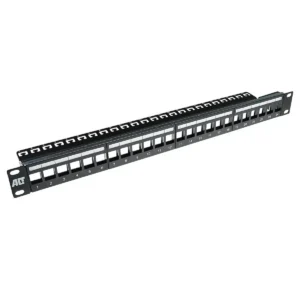
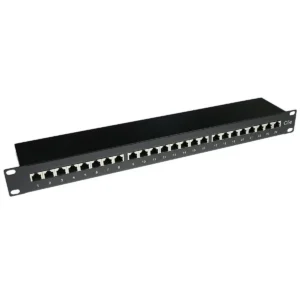
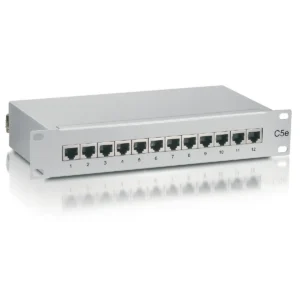
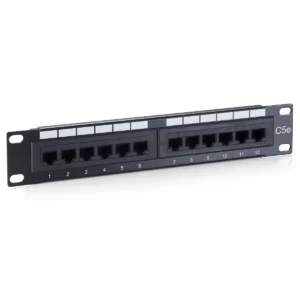
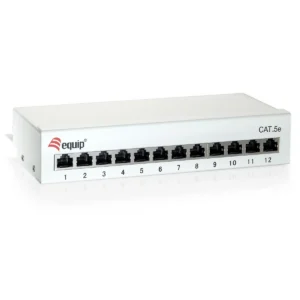
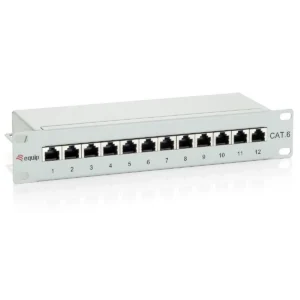
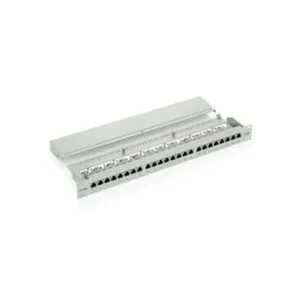
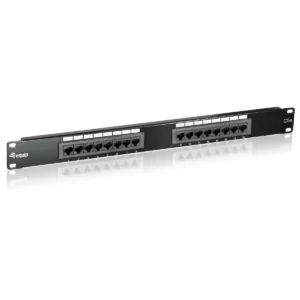
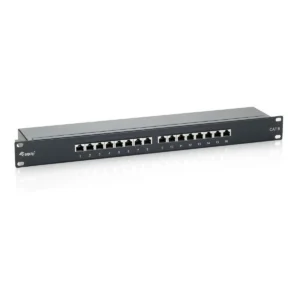
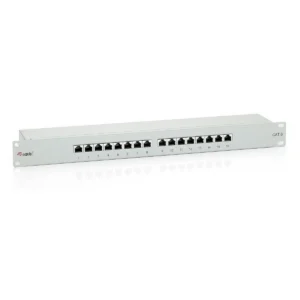
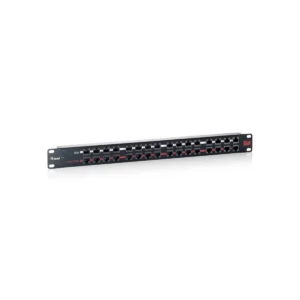
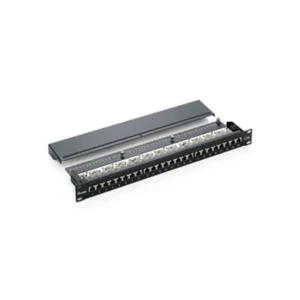
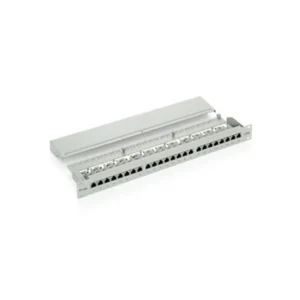
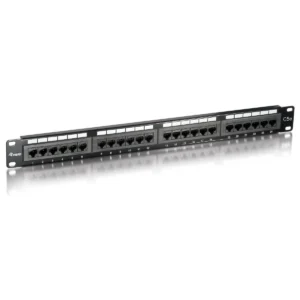
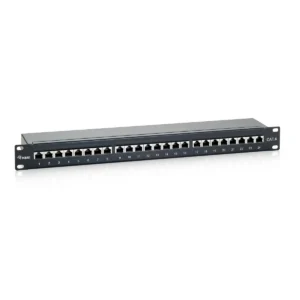
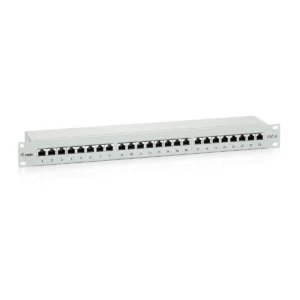
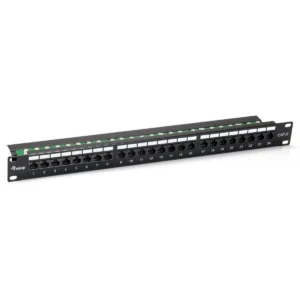
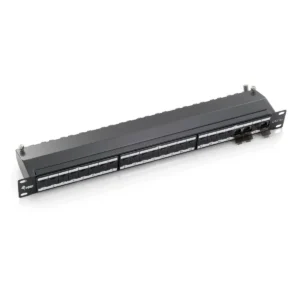
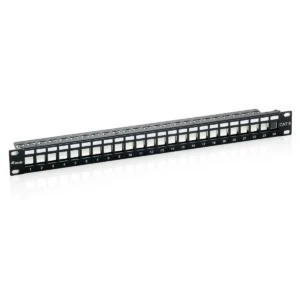
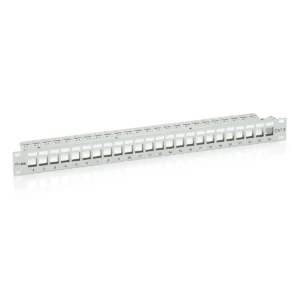
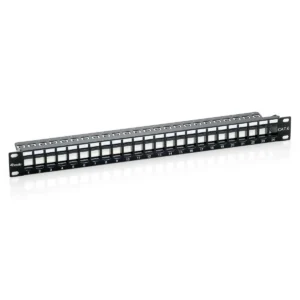
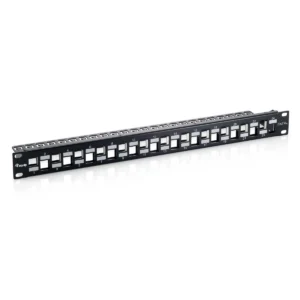
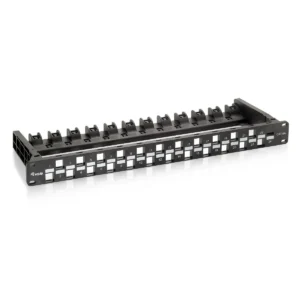
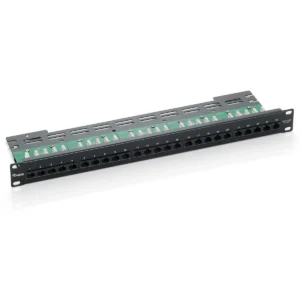
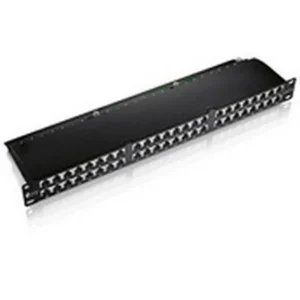
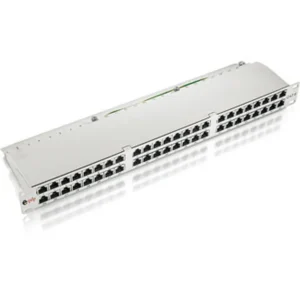
Patch panels are an essential component in structured cabling systems, serving as a pivotal interface for connecting and organizing network cables. By offering a centralized point of connection, patch panels simplify the process of managing network connections and routing, making them indispensable in both small business environments and large data centers. Their primary function is to terminate cable runs within a network, thereby reducing cable clutter and facilitating easy reconfiguration and troubleshooting. With the ability to support both voice and data transmission, patch panels ensure optimal network performance and reliability.
One of the standout benefits of using patch panels is their contribution to network organization and efficiency. By neatly arranging cables into a central panel, you can drastically minimize the chaos often associated with unmanaged cables. This organization not only enhances the ease of maintenance but also results in reduced downtime, as identifying and rectifying issues becomes significantly faster. Furthermore, patch panels provide a level of scalability that is crucial for growing businesses, allowing for easy expansion and adaptation to new technologies without the need for overhauling existing cabling infrastructure.
There are several types of patch panels available, each designed to cater to specific networking needs. Fiber optic patch panels are perfect for high-speed networks that require significant data throughput and low latency. These panels are designed to handle precise and efficient data transmissions over long distances, making them ideal for large-scale enterprise networks. On the other hand, copper patch panels are suited for local area networks (LAN) and are typically more cost-effective while still providing robust performance for most business applications. Both types come in various port configurations, allowing customizability based on specific network requirements.
The material and construction quality of patch panels play a crucial role in their performance and longevity. High-quality materials ensure that patch panels can withstand frequent plugging and unplugging without degradation. The use of durable plastics and metals in their construction provides the necessary rigidity to support and protect the network connections reliably. Additionally, advanced patch panels come equipped with enhanced features such as cable management bars, which further streamline cable arrangements and improve airflow, thereby maintaining optimum network speeds and reducing potential overheating issues.