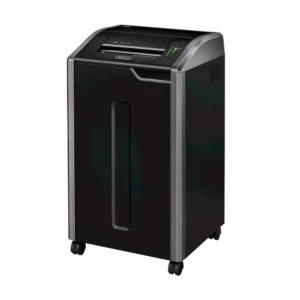
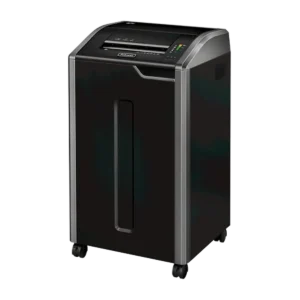
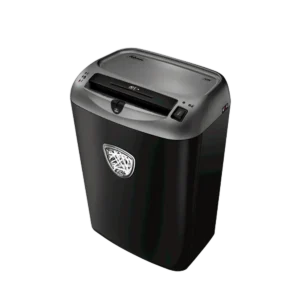
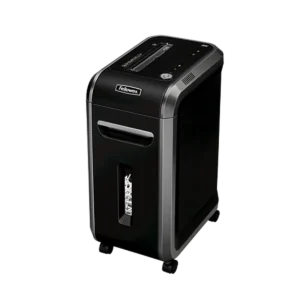
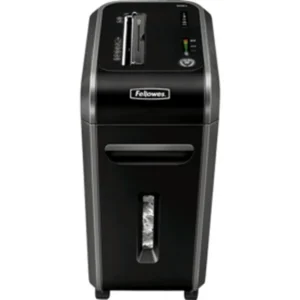
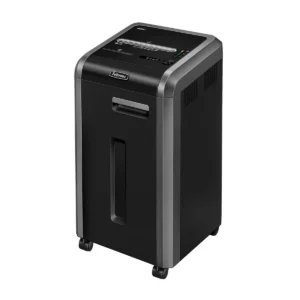
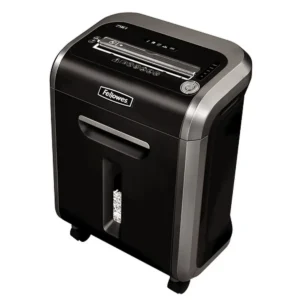
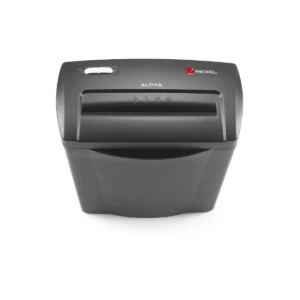
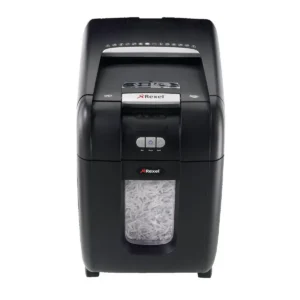
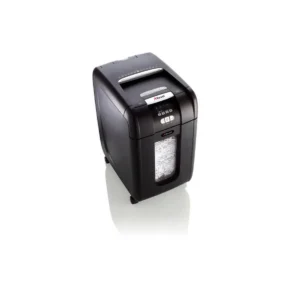
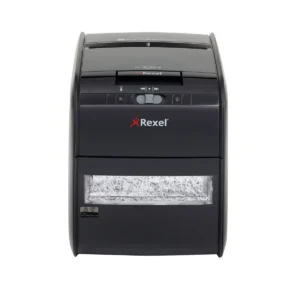
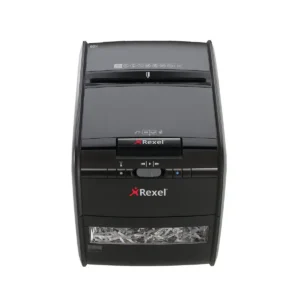
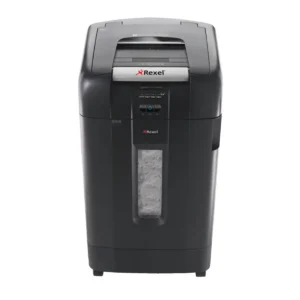
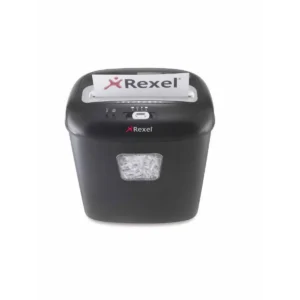
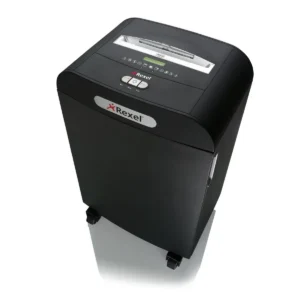
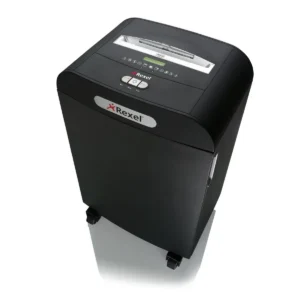
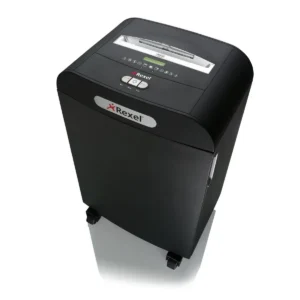
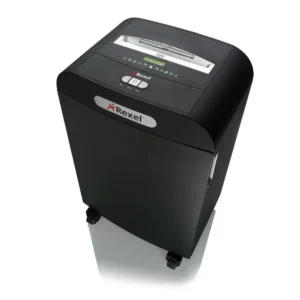
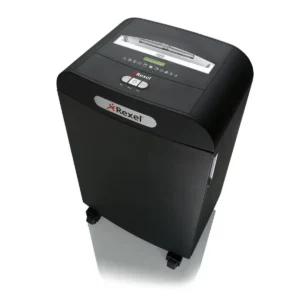
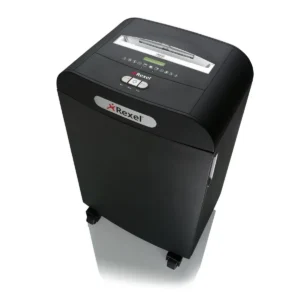
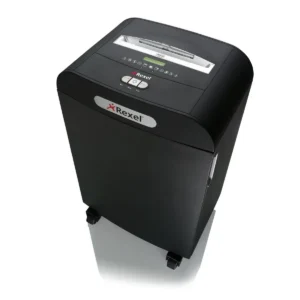
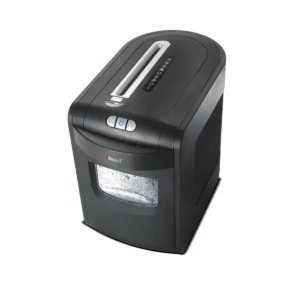
In today’s digital age, protecting personal and sensitive information is more crucial than ever. A paper shredder serves as a frontline defense against identity theft and data breaches by securely disposing of documents containing critical information. These indispensable devices are designed not only for individuals who work from home but also for businesses handling large volumes of paperwork. Whether you need to destroy old bills, confidential client information, or sensitive financial documents, paper shredders offer a dependable solution to keep your data safe.
Choosing the right paper shredder depends on how frequently you use it and the level of security you need. There are three main types of shredders to consider: strip-cut, cross-cut, and micro-cut. A strip-cut shredder slices paper into long, thin strips, making it an economical choice for users prioritizing speed over security. For more thorough disposal, a cross-cut shredder is ideal as it turns paper into small pieces, offering better protection. If you need maximum security, a micro-cut shredder ensures your documents are shredded into tiny particles that are virtually impossible to reassemble.
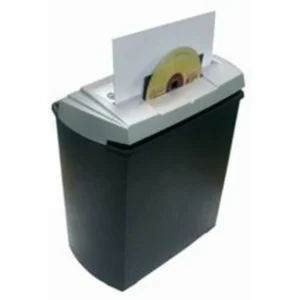
The benefits of investing in a high-quality paper shredder extend well beyond security. These machines contribute to an organized office space by reducing clutter, thus enhancing productivity. Regularly shredding documents that are no longer needed ensures that your workspace remains tidy and efficient. Additionally, some shredders even handle other materials, such as CDs, credit cards, and staples, offering a versatile solution to document disposal and helping to minimize waste.
Advanced shredders now come equipped with innovative features designed to improve user experience and machine performance. Look for models with auto-feed technology, which can automatically shred stacks of paper, saving you time and effort. Noise reduction, jam-proof designs, and energy-saving modes further enhance their usability, making them a practical choice for any office setting.