
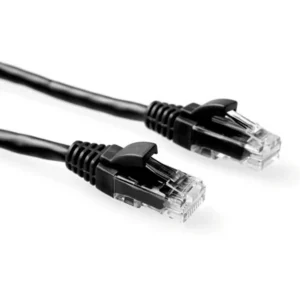
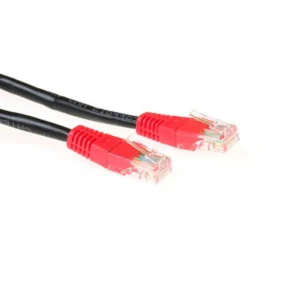
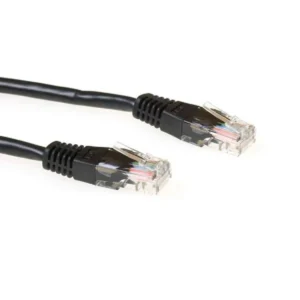
In today’s rapidly advancing digital world, reliable internet connections are more essential than ever. Networking cables play a crucial role in establishing stable and high-speed internet connections across homes, offices, and industries. These cables ensure that data is transmitted efficiently between devices, such as computers, routers, and servers, providing a backbone for digital communication and entertainment. Whether you’re setting up a new home network or upgrading an existing infrastructure, understanding the various types of networking cables can help you make informed purchasing decisions.
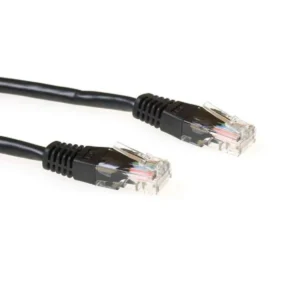
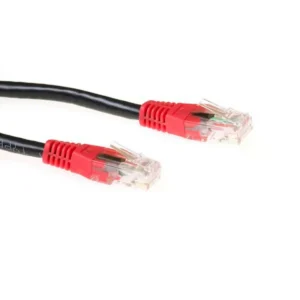
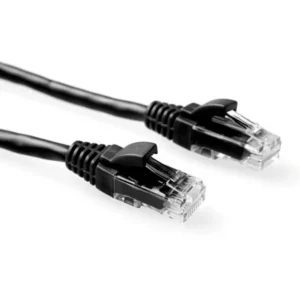
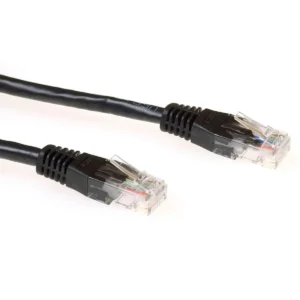
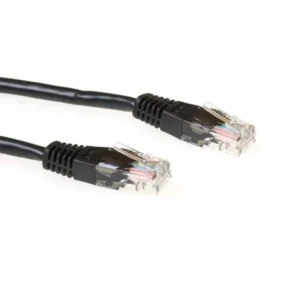
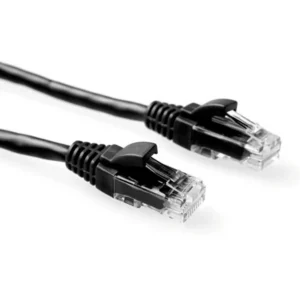
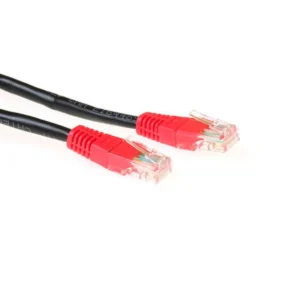
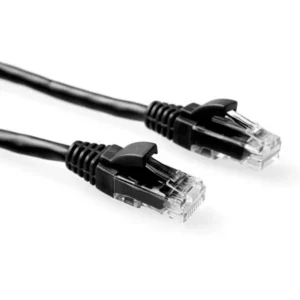
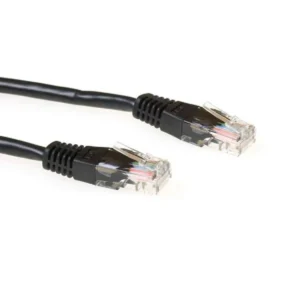
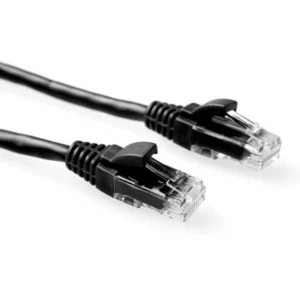
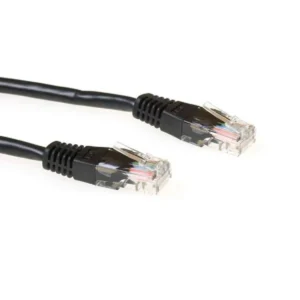
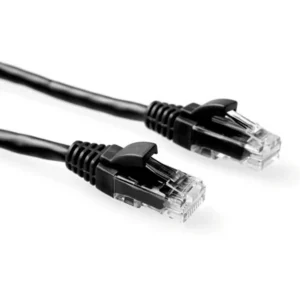
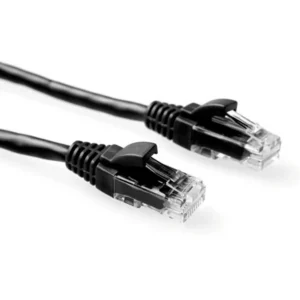
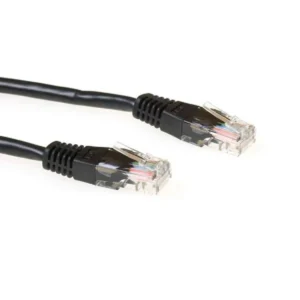
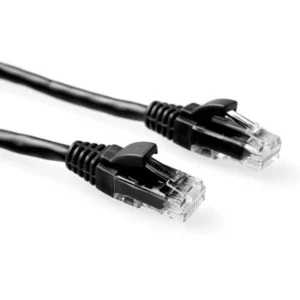
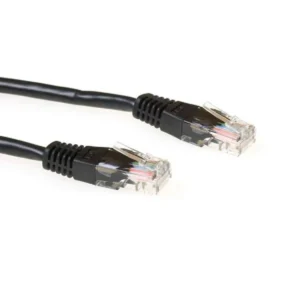
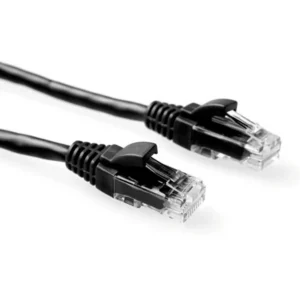
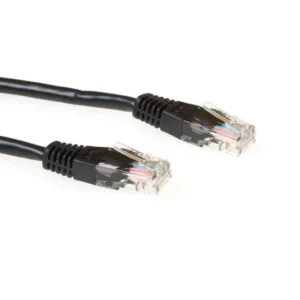
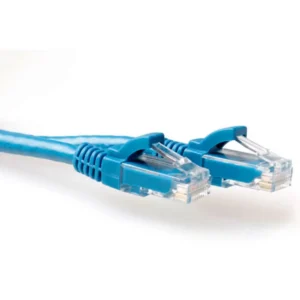
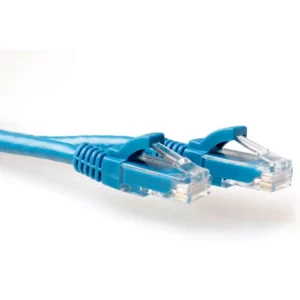
There are several types of networking cables available, each designed for specific purposes and environments. Ethernet cables, the most common type, come in different categories including Cat5e, Cat6, Cat6a, and Cat7. These cables vary in terms of bandwidth capabilities and shielding, with higher categories offering faster speeds and reduced interference. For instance, a Cat6a cable can handle up to 10Gbps at distances up to 100 meters, making it ideal for environments requiring robust data transmission, such as corporate offices and gaming setups.
Fiber optic cables, another key player in the networking realm, are known for their ability to transmit data across long distances with minimal loss in signal quality. Utilizing light rather than electrical signals, these cables boast incredibly high speeds and are primarily used in backbone networks, data centers, and wide-area networking. While generally more expensive than their copper counterparts, the investment in fiber optic technology is justified when high speed and reliability are paramount.
In addition to speed and distance, networking cables differ in their installation needs and resilience to external factors. Shielded twisted pair (STP) cables offer enhanced protection against electromagnetic interference, making them suitable for environments with high electrical disturbances.