
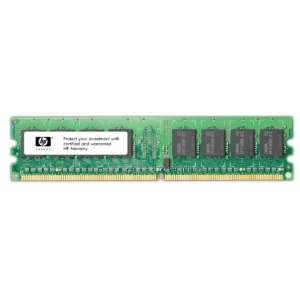
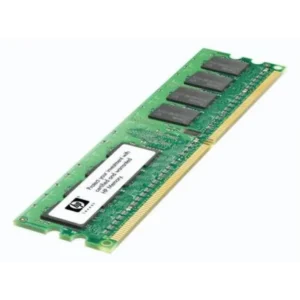
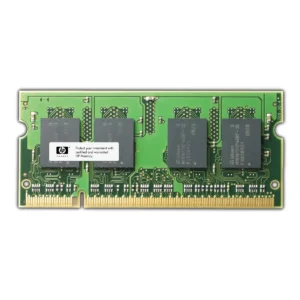
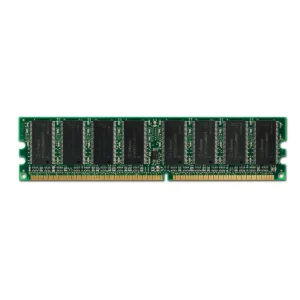
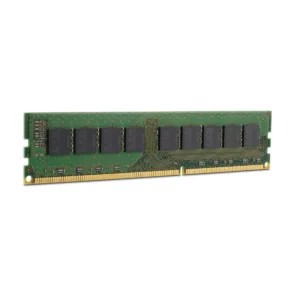
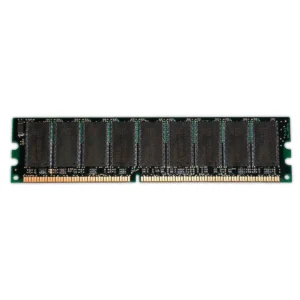
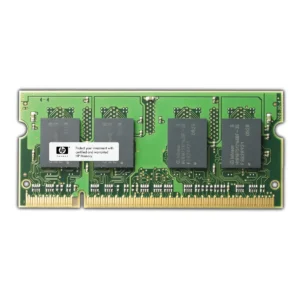
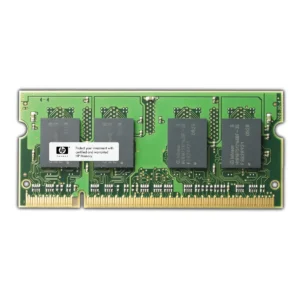
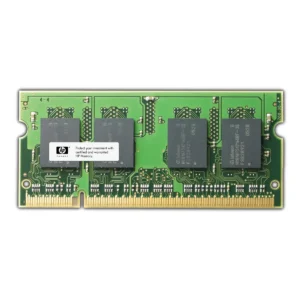
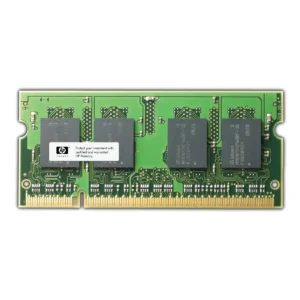


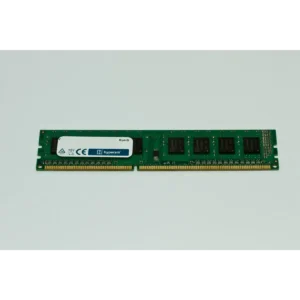
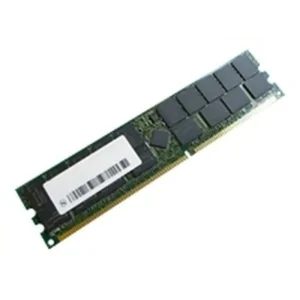
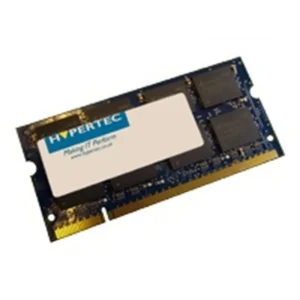
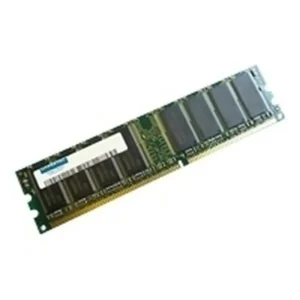
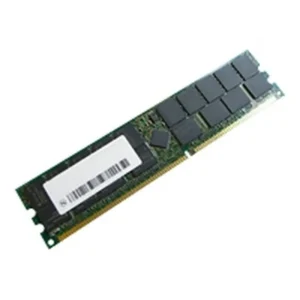
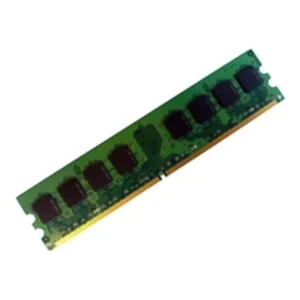
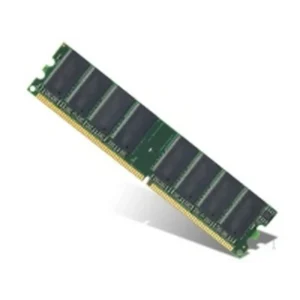
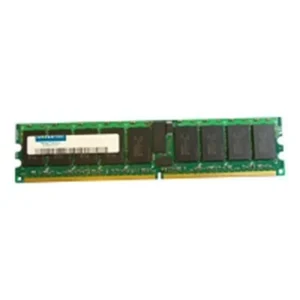
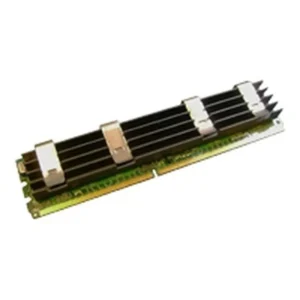
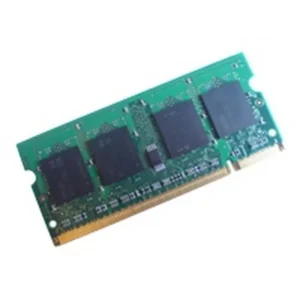
In the ever-evolving world of technology, memory modules play a crucial role in determining the performance and reliability of your computer systems. Whether you are building a gaming rig, upgrading your desktop, or enhancing your laptop, selecting the right memory module is a critical decision. These components, commonly referred to as RAM (Random Access Memory), are responsible for temporarily storing data that your CPU needs to access quickly. This temporary storage enables your system to perform tasks smoothly, from complex computations to simple browsing activities.
When it comes to selecting the right memory modules, understanding the diverse range available is vital. Memory modules come in various types, including DDR3, DDR4, and DDR5, with each generation offering improvements in speed and efficiency. DDR4 is currently the most popular choice for many users, offering a balance of speed and power consumption, but with the advancement of DDR5, users are now able to experience even greater performance enhancements. It’s crucial to check compatibility with your motherboard to ensure the best fit and functionality.
One of the primary benefits of upgrading your system’s memory modules is the noticeable improvement in speed and performance. More RAM means that larger applications can be kept in the memory without impacting system speed. This is particularly important for gamers and professionals who run memory-intensive software, such as video editing tools or CAD programs. Faster memory modules can significantly reduce load times, enhance multitasking capabilities, and improve the overall user experience by reducing lag and stuttering.
Memory capacity is another important consideration when choosing memory modules. For casual users, 8GB of RAM might be sufficient for browsing and office work, but for those engaged in gaming or professional applications, 16GB, 32GB, or even higher capacities are recommended to ensure peak performance. Expanding your system’s memory can also extend its lifespan, allowing it to keep up with increasingly demanding software requirements without needing a complete overhaul.
In addition to capacity and speed, the design of memory modules can also impact performance and compatibility. For example, low-profile modules are great for compact builds where space is at a premium, while modules with heatsinks and RGB lighting can add both functionality and flair for those looking to personalize their systems.