


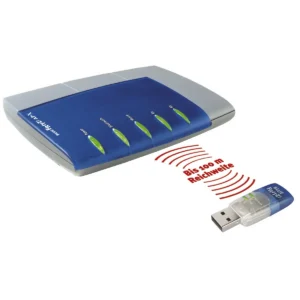
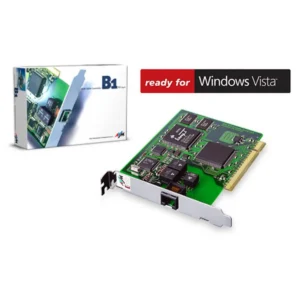
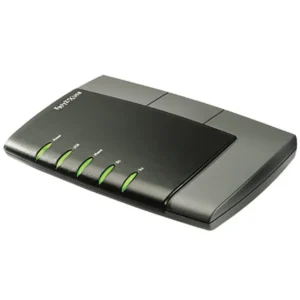
The category of ISDN Access Devices plays a vital role in modern communications by enabling robust digital connectivity. Integrated Services Digital Network (ISDN) is a set of communication standards designed for the digital transmission of voice, video, and data over traditional phone lines. These devices are essential for businesses and individuals seeking to upgrade their telecommunications infrastructure to ensure high-quality and reliable digital connectivity. Whether you need clear voice communications or efficient data transfer, ISDN access devices are your gateway to integrating digital services with unmatched efficacy.
One of the primary benefits of utilizing ISDN access devices is their ability to provide simultaneous voice and data services. This dual functionality means users can talk on the phone while sending files over the internet without any interference or needing separate lines. The devices achieve this by employing bearer channels (B channels) for data and voice, along with a data channel (D channel) for signaling and control, allowing seamless multiplexing of services. For businesses, this integration enhances productivity and streamlines operations, making ISDN access devices a cornerstone for enterprises that rely heavily on telecommunications.
Another key advantage is the enhanced clarity and speed provided by ISDN technology. Unlike traditional analog systems, ISDN converts voice and data signals into digital form, reducing noise and distortion significantly. This feature results in crystal clear audio and faster data transmission, crucial for businesses conducting remote conferencing or handling large volumes of data. With ISDN access devices, you enjoy a higher level of service reliability and continuity, which is vital for maintaining consumer satisfaction and operational efficiency.
The range of ISDN access devices available caters to various needs, from small office setups to complex enterprise systems. Basic Rate Interface (BRI) devices are ideal for smaller settings, providing two 64 Kbps B channels and one 16 Kbps D channel, accommodating typical voice and internet usage. On the other end, Primary Rate Interface (PRI) devices cater to larger business environments, offering up to 23 B channels in North America or 30 in Europe and other parts of the world, significantly enhancing bandwidth capabilities. This variety ensures that organizations can select devices that align perfectly with their specific requirements and future growth plans.