





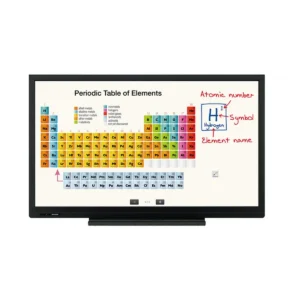
In the world of modern education and dynamic business environments, interactive whiteboards serve as crucial tools for enhancing collaborative learning and engaging presentations. These advanced teaching aids are gaining popularity in classrooms, boardrooms, and training centers worldwide. By combining the traditional writing surface with a touch-sensitive display, interactive whiteboards allow users to interact directly with the display, using fingers or dedicated pens to navigate, annotate, and manipulate digital content seamlessly.
One of the primary benefits of using interactive whiteboards is their ability to foster active participation and engagement. These devices promote interactive learning experiences by allowing multiple users to simultaneously engage with educational content. Whether students are solving a problem together or coworkers are brainstorming ideas, interactive whiteboards facilitate a more dynamic exchange of information. This heightened level of engagement leads to improved understanding and retention of knowledge, making these tools particularly valuable in educational settings.
Another significant advantage is the seamless integration of various multimedia resources. Interactive whiteboards provide the capability to incorporate audio, video, and images directly into the lesson or presentation. This multimedia approach caters to different learning styles and keeps audiences captivated. Educators can easily adjust lessons based on real-time feedback, while business professionals can deliver more impactful presentations by illustrating data with interactive charts and videos, thereby enhancing communication and collaboration.
The range of interactive whiteboards available in the market today is vast, offering solutions tailored to different needs and environments. Users can choose from portable models, ideal for small meeting spaces or mobile applications, to wall-mounted systems that are perfect for permanent installations in classrooms and large conference rooms. Advanced touch technology, such as infrared, resistive, or capacitive touch, ensures precision and responsiveness, providing a smooth and intuitive user experience irrespective of the application.
Interactive whiteboards also come equipped with comprehensive digital platforms that enhance their functionality. They support numerous software applications designed to make lesson planning, presentation structuring, and note-taking more efficient. Teachers can access a plethora of online resources and digital content, while businesses benefit from state-of-the-art conferencing tools that seamlessly integrate with existing corporate applications.