
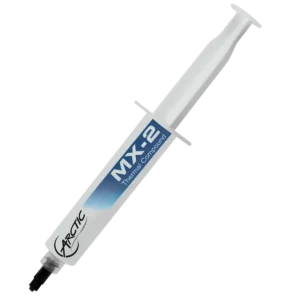
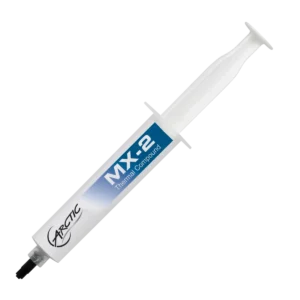
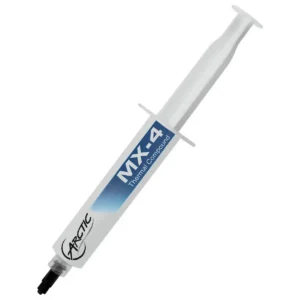
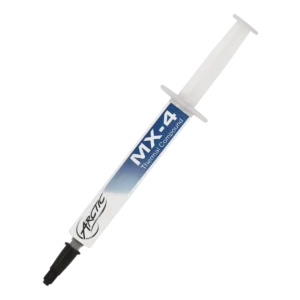
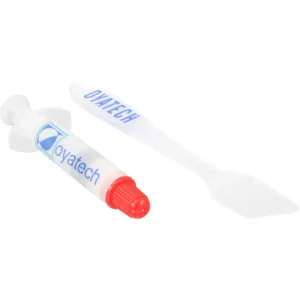
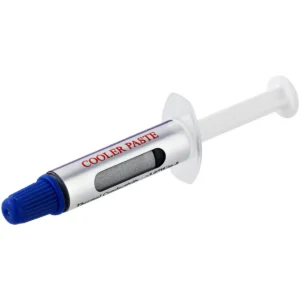
In the world of electronics, heat sink compounds play a critical role in ensuring optimal thermal management. These compounds, also known as thermal paste or thermal grease, are essential for maximizing the efficiency of heat sinks, which dissipate heat away from sensitive components. By providing a more direct path for heat movement between surfaces, these compounds reduce thermal resistance and improve heat transfer. This is especially crucial in high-performance systems, where temperature control is vital for maintaining efficiency and longevity.
Heat sink compounds are predominantly used in applications involving CPUs, GPUs, and other semiconductor devices, where managing heat effectively can lead to better performance and enhanced reliability. In high-precision electronics, maintaining the correct operating temperature is crucial, as overheating can lead to reduced performance or permanent damage. By using an appropriate thermal interface material, such as a heat sink compound, these challenges can be efficiently mitigated.
There are various types of heat sink compounds available, each offering unique benefits. Silicone-based compounds are popular due to their easy application and excellent performance over a broad temperature range. Meanwhile, ceramic-based compounds are renowned for their superior thermal conductivity and are often employed in applications requiring non-electrical conductive properties. For extreme performance, some opt for carbon-based or metal-based compounds, which offer the highest thermal conductivity but require careful handling due to electrical conductivity considerations.
The advantages of using effective heat sink compounds extend beyond just heat dissipation. By ensuring a more uniform heat distribution, these compounds can also contribute to noise reduction in cooling systems. This is because devices remain cooler and often do not require fans to operate at maximum speeds. Furthermore, a well-optimized thermal management system can enhance energy efficiency, as components operate more effectively within their ideal temperature range.
When selecting a heat sink compound, it’s important to consider factors such as thermal conductivity, viscosity, and curing time to fit specific application needs. Some compounds are designed for ease of application, allowing even pressure distribution with minimal mess, while others might require professional application techniques to achieve the best results. Additionally, considering the compound’s longevity and resistance to drying or cracking over time can ensure prolonged and efficient performance.
Ultimately, the right selection and application of heat sink compounds can significantly impact the performance and durability of electronic devices. Whether for hobbyist builds or industrial applications, understanding the variety and functionality of these compounds helps in making informed choices that align with specific thermal management needs. By minimizing temperature fluctuations, electronics can achieve peak performance, underscore longevity, and enrich user satisfaction across various applications.