


Grounding hardware is essential for ensuring safety and stability in electrical systems. It provides a reliable path for electrical current to disperse into the earth, preventing dangerous electrical discharges and protecting both infrastructure and individuals from potential electrical hazards. Commonly used in industrial, commercial, and residential applications, grounding hardware includes a variety of components tailored to maintain system integrity and enhance safety. Incorporating robust materials and innovative designs, these components are pivotal for mitigating the risk of electrical faults.
One of the key benefits of grounding hardware is its ability to reduce the risk of electrical shock and fire hazards. By effectively channeling excess electrical current away from critical components, these products safeguard against short circuits that can lead to destructive outcomes. Moreover, grounding hardware ensures the stability of electrical systems even under adverse conditions, such as lightning strikes or power surges. This stability not only enhances operational efficiency but also extends the lifespan of electrical equipment by preventing undue stress caused by erratic electrical currents.
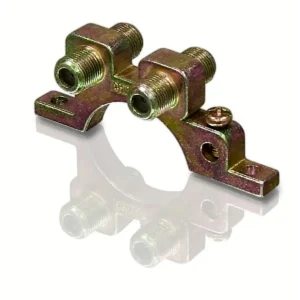
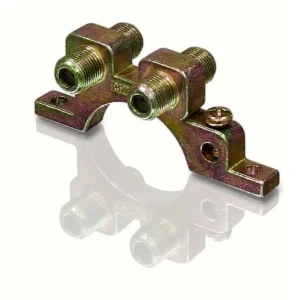
Among the various types of grounding hardware, grounding rods are perhaps the most foundational. These rods, typically composed of highly conductive material such as copper or galvanized steel, are driven into the ground to provide a direct connection with the earth. Grounding clamps and connectors are crucial for securely attaching grounding conductors to rods or other grounding points. Additionally, ground plates can be used where driving a rod into the ground is not feasible, further demonstrating the versatility of grounding solutions available.
In specialized environments, products like grounding busbars and bonding equipment become invaluable. Grounding busbars serve as a centralized point for connecting multiple grounding lines, streamlining the grounding process in complex installations. Meanwhile, bonding jumpers and conductors interconnect metallic parts to create a unified grounding system, reducing electrical resistance and ensuring efficient current flow. These elements are critical in maintaining continuity and effectiveness across all components of an electrical system.