
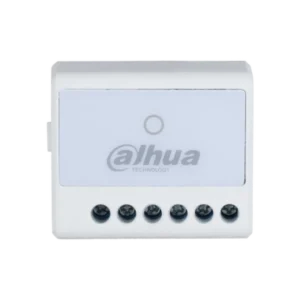
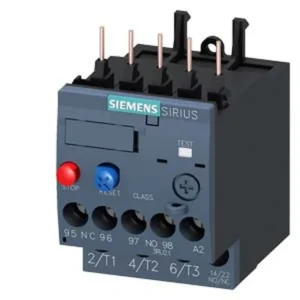
Electrical relays are crucial components in modern electrical systems, acting as strategic switches to control one electrical circuit with the aid of another. By using a low-power signal, these devices can manage and control a larger power load, making them invaluable in a multitude of applications. Whether you are working on a small DIY project or a large industrial setup, incorporating the right type of electrical relay can significantly enhance the functionality and safety of your design. Reliability and precision are non-negotiable when it comes to electrical relays, ensuring optimal performance across diverse settings.
One of the primary uses of electrical relays is in automation systems, where they help to maintain persistent control over machinery and processes with minimal human intervention. In this context, relays play a critical role in turning systems on and off, shifting currents, or performing complex logical operations. Automation applications benefit greatly from their efficiency and ability to handle high voltage without the risk of damage. Additionally, when integrated properly, they contribute to reducing energy consumption, further highlighting their indispensable role in today’s eco-conscious technological landscape.
There are several types of electrical relays, each designed to meet specific needs. Electromechanical relays, for instance, offer versatility and are well-suited for general switching operations across various applications. They are known for their durability and cost-effectiveness. On the other hand, solid-state relays provide a smoother operation experience with no mechanical contacts, offering faster response times and extended longevity. These are particularly advantageous in environments requiring high reliability and noise-free operation, such as within sensitive electronic devices.
For those seeking cutting-edge technology, programmable relays represent the pinnacle of innovation in this field. These relays allow for intricate control sequences, which can be tailored to specific applications and easily reprogrammed as needs evolve. They offer the benefits of adaptability and can simplify complex processes into manageable tasks. With the capacity for customization, programmable relays are often favored in advanced manufacturing and smart home systems where flexibility and detailed control are paramount.
Safety is another fundamental advantage of using electrical relays. They are instrumental in protection schemes for electrical systems, acting as first responders to any anomaly or fault by rapidly disconnecting the affected circuit.