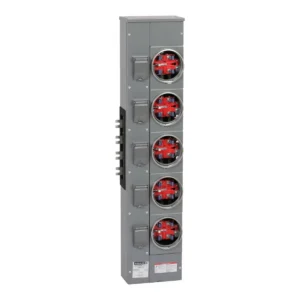
Explore the world of electric meter sockets, essential components in any electrical installation that securely houses the electric meter. These sockets are crucial for ensuring a stable and safe connection between the utility’s power grid and a building’s electrical system. Whether you’re an electrical contractor, engineer, or a homeowner involved in a renovation project, understanding the different types and uses of electric meter sockets is key to maximizing safety and efficiency in power management. With advancements in smart home technologies and renewable energy systems, the demand for robust and versatile meter sockets has never been greater.
Electric meter sockets vary significantly in their design and capacity, tailored to accommodate different electrical needs and regulatory requirements. For residential settings, sockets typically range between 100 to 200 amps, while commercial installations may require sockets capable of handling higher amperage. The selection of a meter socket also depends on the configuration of incoming service lines—available in both overhead and underground models. Mastering these details ensures compliance with local codes and guarantees that energy distribution is handled efficiently and safely within the infrastructure.
The benefits of investing in high-quality electric meter sockets transcend mere functionality. These sockets enhance the reliability of energy supply and can significantly extend the lifespan of the connected electrical systems. By choosing the right socket, potential hazards such as electrical fires or power surges can be minimized. Additionally, they offer superior resistance to environmental elements like moisture and temperature fluctuations, making them ideal for both indoor and outdoor installations. Modern meter sockets often include protective features like tamper-resistant designs and durable construction, giving peace of mind alongside practical utility.
A notable trend in the market is the growth of smart meter sockets, which integrate advanced technologies for energy monitoring and efficiency. These innovative products allow property owners to track their energy consumption in real-time, identify usage patterns, and even detect power anomalies. Smart sockets can also facilitate seamless integration with renewable energy sources like solar panels, optimizing energy management and potentially lowering utility bills. The adoption of smart technologies in electric meters exemplifies a shift towards more sustainable and digitally managed energy solutions.
When selecting an electric meter socket, it’s crucial to consider compatibility with the existing electrical system, future-proofing needs, and potential integrations with smart home systems. Quality installation and maintenance of these sockets enhance safety and operational efficiency, ensuring they perform effectively throughout their service life. In