
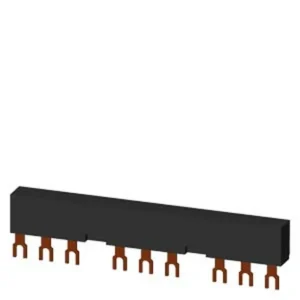
Comb busbars are essential components in electrical distribution systems, providing an efficient and reliable means of distributing power within switchboards, panelboards, and distribution boards. These products are designed to streamline the complexities of wiring in electrical panels by connecting multiple circuit breakers using a single busbar. By integrating a comb busbar, installation times are significantly reduced, and the potential for wiring errors is minimized. The clever design allows for a neat configuration of multiple devices, ensuring both aesthetic and functional benefits.
One of the primary benefits of comb busbars is their ability to save space within an electrical cabinet. Traditional wiring methods often involve a tangle of wires, which can be both confusing and cumbersome, particularly in complex installations. Comb busbars simplify this by offering a single line of connectivity, supporting a cleaner and more organized setup. This efficient use of space not only enhances the appearance of the panel but also facilitates easier maintenance and upgrades, as electricians can quickly identify and access the connected components.
Durability and safety are also significant advantages when using comb busbars. Made from high-quality materials such as copper or aluminum, these products ensure excellent conductivity and mechanical strength, which are crucial for maintaining safety and performance standards. Comb busbars often feature an insulating barrier that safeguards the installation against accidental contact, reducing the risk of shorts and electrical faults. This feature is particularly important in commercial and industrial settings, where safety regulations are stringent and reliability is paramount.
There are various types of comb busbars available to suit different applications and requirements. The most common include single-phase and three-phase busbars, each designed to fit specific types of circuit breakers. Single-phase busbars are typically used in residential or light commercial installations, where power demands are lower. In contrast, three-phase busbars cater to more demanding industrial and commercial environments where higher power capacity is essential.