
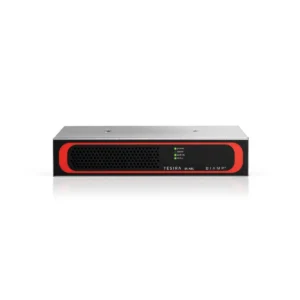
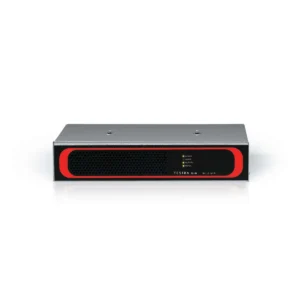
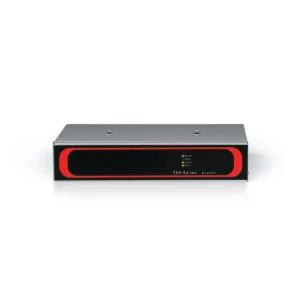
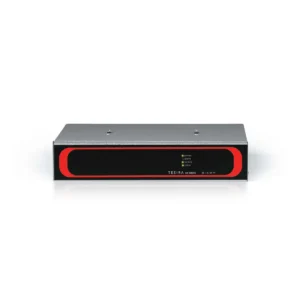
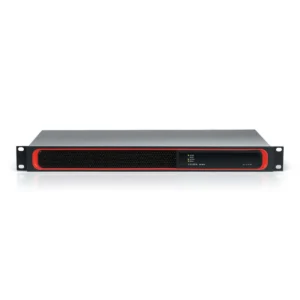
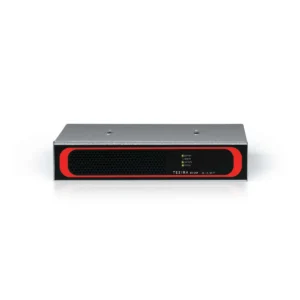
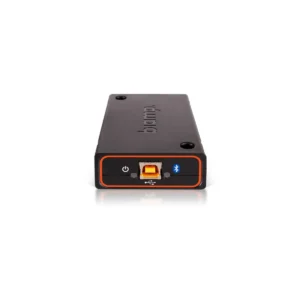
Dive into the world of Audio Expanders to unlock the full potential of your sound systems. Audio expanders are versatile devices designed to enhance and expand the audio output of various equipment, providing a comprehensive auditory experience. Whether you’re a professional musician, a home audio enthusiast, or a podcast creator, these devices refine and multiply your audio channels, ensuring high fidelity and clarity. In the realm of audio engineering, an expander is essential for refining the dynamics of sound, reducing noise, and emphasizing more natural tones.
There are numerous benefits to using audio expanders. They efficiently manage sound dynamics by increasing the gain for incoming signals that exceed a certain threshold, effectively reducing background noise and creating clear, undistorted sound. This capability is invaluable in live audio performances and studio recordings, where clarity and precision are paramount. With an audio expander, the intricacies of music or spoken word can be distinctly heard, transporting the listener into a world of pristine sound quality.
Audio expanders come in a variety of forms to cater to different requirements and budgets. From portable units perfect for on-the-go professionals to advanced rack-mounted models designed for high-end studio environments, there’s an expander ideal for every situation. Many modern audio expanders feature digital signal processing (DSP) which allows for more precise control over audio parameters and often includes features such as frequency-specific expansion, making them a versatile addition to any audio toolkit.
The technology behind audio expanders has evolved significantly, embracing both analog and digital advancements. Analog expanders deliver a warm, natural sound favored by many purists, while digital models offer comprehensive control options and flexibility through software integration. The choice between these technologies comes down to personal preference and specific use cases. Digital expanders often support USB connectivity, making them compatible with computers and other digital devices, enhancing their utility in modern production settings.