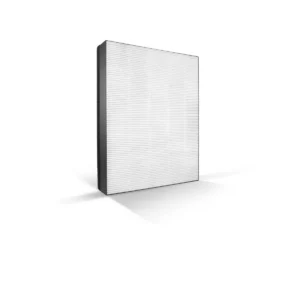
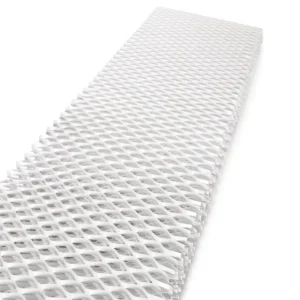

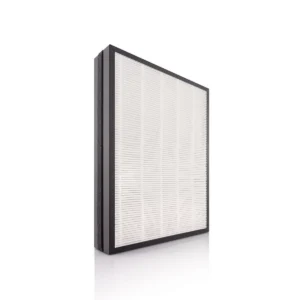
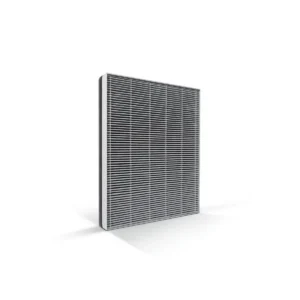
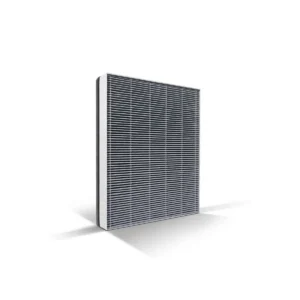
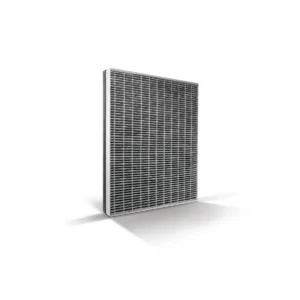
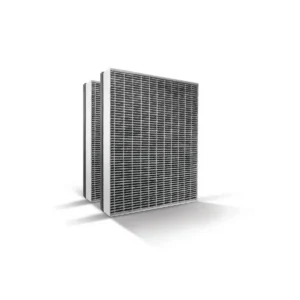
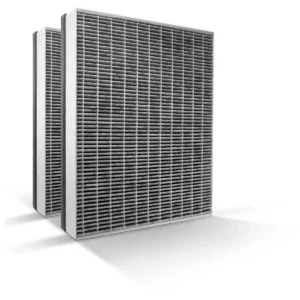
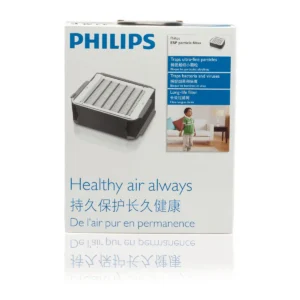
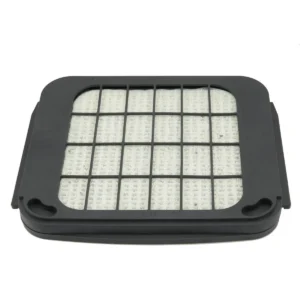
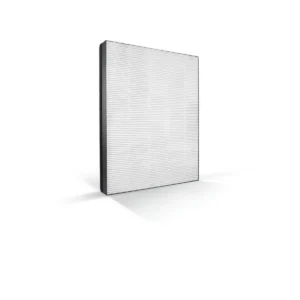
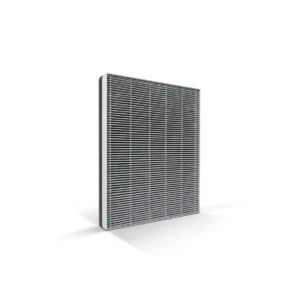
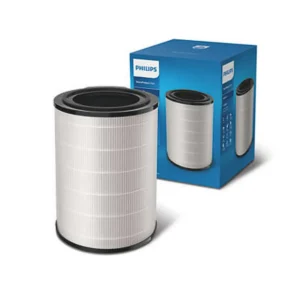
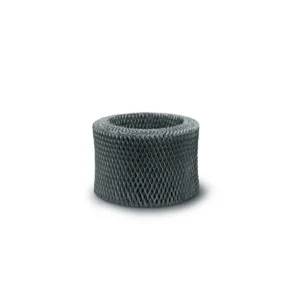
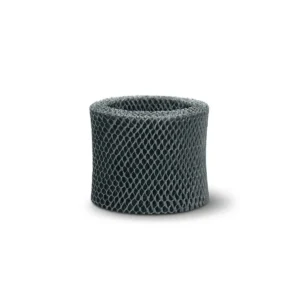
Air filters are an essential component in maintaining the health and efficiency of various systems, from residential HVAC systems to industrial machinery. They play a crucial role in improving air quality by trapping dust, pollen, and other airborne particles. By doing so, air filters help minimize allergy symptoms and enhance overall indoor air quality, making living or working environments more comfortable and healthier. Furthermore, clean air filters contribute to the efficiency of appliances and systems, which can lead to significant energy savings over time.
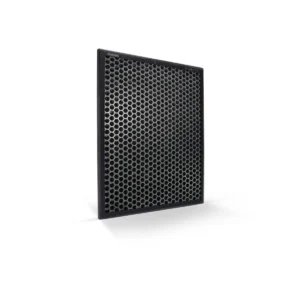
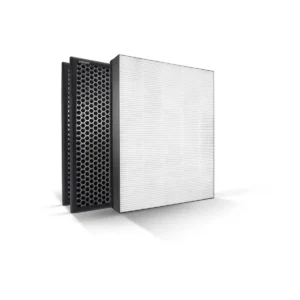
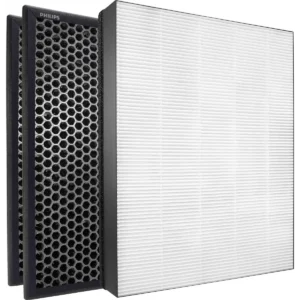
There are several types of air filters available, each designed to cater to specific needs and applications. Mechanical filters, such as HEPA filters, are well-known for their ability to remove 99.97% of particles as small as 0.3 microns, making them an excellent choice for those with severe allergies or asthma. On the other hand, electrostatic air filters use an electrostatic charge to capture particles, and these are often reusable and can be washed, offering a more sustainable option. Activated carbon filters are also popular, particularly for their ability to reduce odors and capture volatile organic compounds (VOCs), thus proving valuable in both home environments and places like offices or restaurants where odors might be prevalent.
The importance of selecting the right air filter goes beyond just capturing unwanted particles. It is vital for protecting the longevity and performance of HVAC systems and other appliances. By preventing dust and debris from accumulating within these systems, air filters help reduce maintenance needs and avoid costly repairs. This protective function ensures that systems run cooler, with fewer interruptions, and maintains optimal performance levels. Therefore, investing in high-quality air filters is not just about clean air, but also about safeguarding expensive equipment over the long term.
Modern air filters come in a variety of sizes and ratings, known as MERV (Minimum Efficiency Reporting Values), which provide a standard for evaluating filter efficiency. The higher the MERV rating, the more particles a filter can capture. However, it is essential to match the filter’s MERV rating with the system requirements to prevent airflow issues. For residential use, filters with a MERV rating between 8 and 13 typically provide a good balance between filtration efficiency and airflow.