

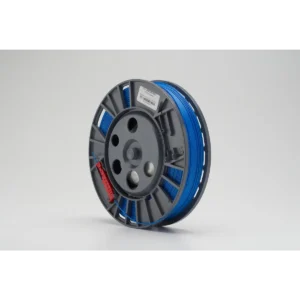
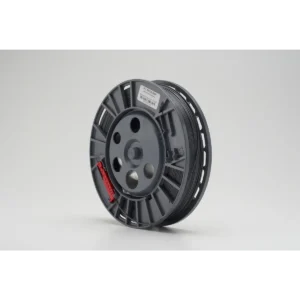
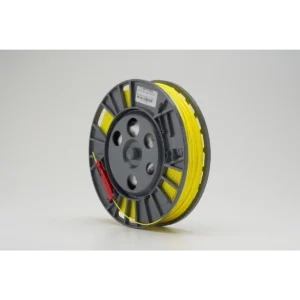

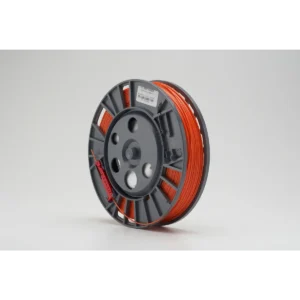

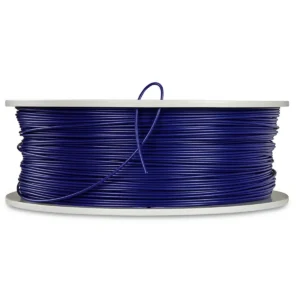
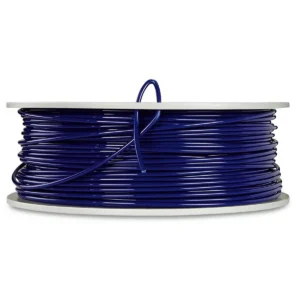
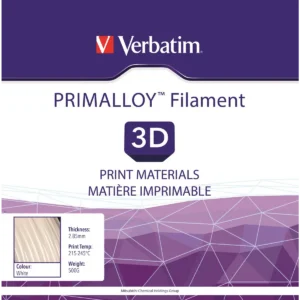
Explore the dynamic world of 3D Printing Materials, where creativity meets advanced technology to push the boundaries of innovation. This category encompasses a wide variety of materials specifically engineered for diverse 3D printing projects, catering to both hobbyists and professionals alike. With each material offering unique properties and capabilities, your choice directly impacts the quality, strength, and finish of your printed objects. From the flexibility of thermoplastics like PLA and ABS to the robustness of metal composites, 3D printing materials are the foundation upon which your imaginative ideas come to life.
The versatility of 3D printing materials allows users to tailor their selections based on specific project needs. For instance, PLA, or Polylactic Acid, is a popular biodegradable thermoplastic derived from renewable resources, making it an excellent choice for environmental enthusiasts. It offers ease of use, minimal warping, and a smooth finish, ideal for creating detailed prototypes and educational models. Alternatively, ABS, or Acrylonitrile Butadiene Styrene, is favored for its toughness and heat resistance, making it suitable for functional parts that demand durability and strength. Each material opens a world of possibilities, depending on the application requirements and desired characteristics of the final product.
Innovative developments in composite filaments have further expanded the capabilities of 3D printing. These materials blend traditional plastics with other elements such as wood, metal, or carbon fibers, resulting in composites that mimic the look and feel of natural materials or enhance mechanical properties. For example, wood-infused filaments provide a realistic wooden texture, perfect for decorative and artistic pieces, while carbon fiber composites add exceptional strength and rigidity, ideal for high-performance engineered parts. These blends ensure that the user’s designs are not only visually appealing but also functionally superior.
Recently, the field has seen remarkable advancements with the introduction of resin-based materials used in SLA (Stereolithography) and DLP (Digital Light Processing) printers. Resins offer excellent resolution, smooth surface finishes, and are available in a variety of types, including standard, flexible, and even dental resins. This range of options caters to industries such as jewelry design, dental medicine, and manufacturing precision components, where immaculate detail and high accuracy are paramount. The ability to print intricate designs with unparalleled precision has made resin materials the go-to choice for professionals demanding superior quality and finer detailing.
Beyond just standard options, specialty materials like conductive filaments enable the creation of interactive projects involving electronics. These filaments incorporate conductive materials that allow electricity to pass through, opening up innovative applications in creating custom circuits or components in IoT devices. A